

Risk-based vulnerability management uses technical exposure and business consequences to decide what to remediate and when. Business impact becomes useful when it identifies a service that could fail, the evidence connecting that service to a vulnerable asset, and the action that would change the outcome.
“Business critical” is an incomplete instruction. It does not explain whether the concern is unavailable transactions, altered records, disclosed information or a dependency shared by several services. Nor does it tell the remediation team whether to accelerate an approved fix, use a temporary control, or resolve an operational conflict.
Connect the exposure to a specific consequence and a response in the decision record. It also says which assumptions could change the decision. That gives security and service owners a basis for acting together without pretending a technical score is a forecast of financial loss.
Start with the service consequence
The February 2025 edition of NIST IR 8286D explains how business impact analysis can inform risk prioritization and response. It extends the analysis beyond availability to other losses affecting the enterprise mission, connecting critical assets with objectives and risk tolerance.
Use that connection to ask a concrete question: if this exposure were exploited, what could stop working or become untrustworthy? Name the affected service and the dependency. A host's importance should be explainable through what it enables.
For a payment service, availability might be the immediate concern. For a reporting process, altered source data may matter even when the application remains online. For a customer-support workflow, unauthorized disclosure may be more consequential than a brief outage. These are illustrative categories, not conclusions about any particular vulnerability.
Document the consequence in ordinary language before assigning a label. “This host holds the credentials used by several production jobs” gives the team a dependency to investigate. “Tier one” alone does not reveal the assumption behind the classification.
Keep severity, likelihood and consequence distinct
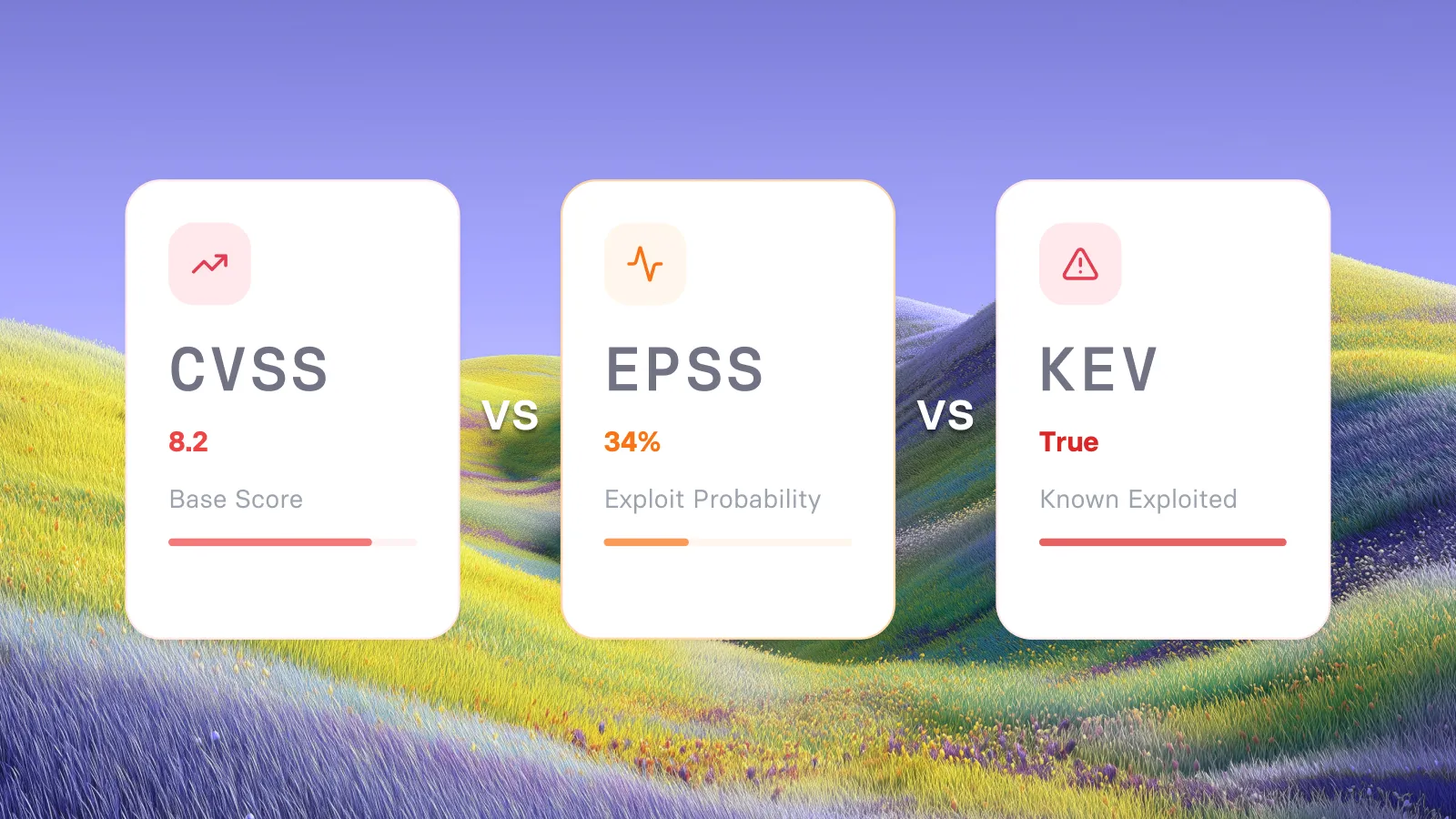
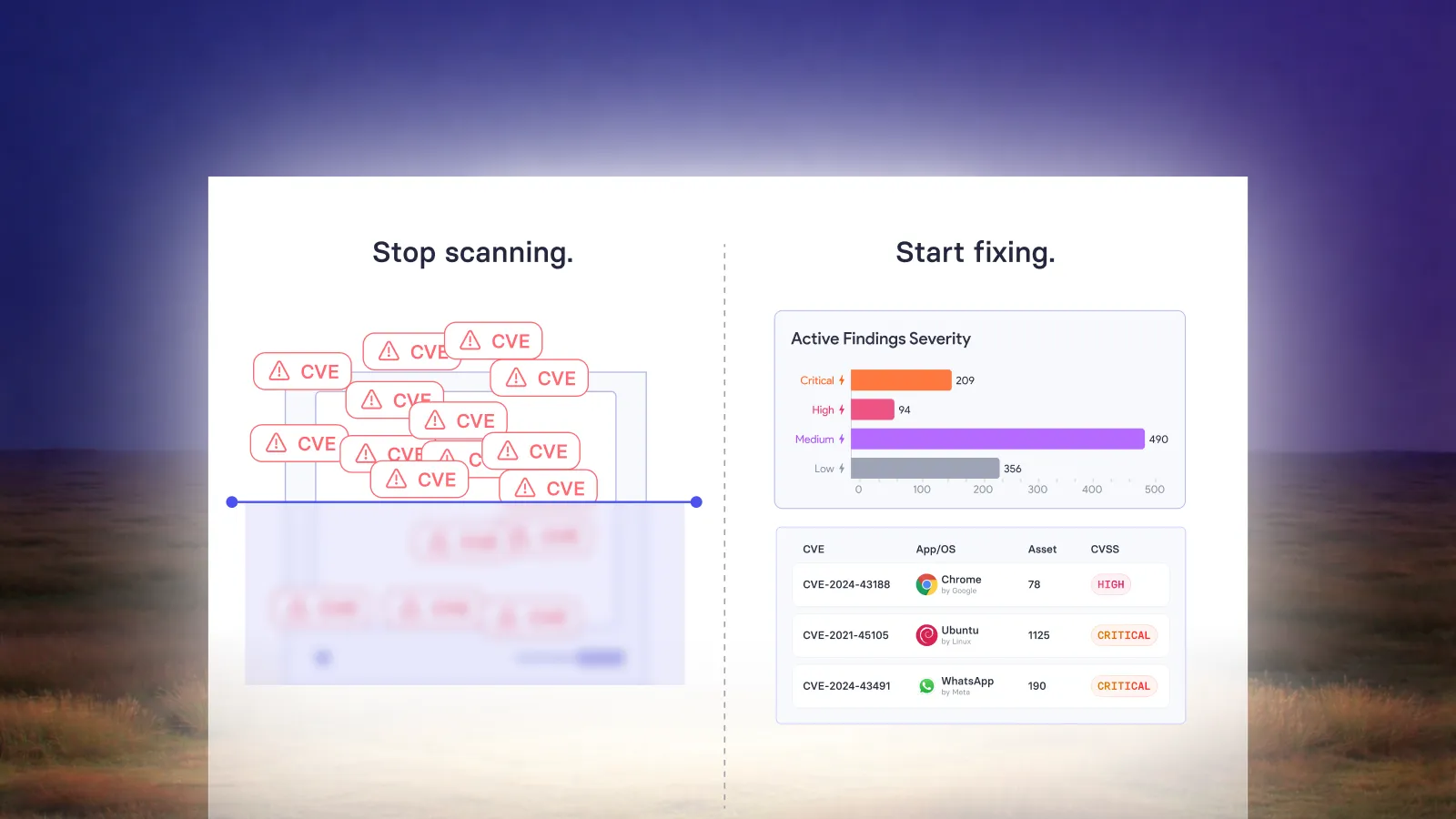
The Common Vulnerability Scoring System (CVSS) describes vulnerability severity. Its version 4 specification includes Base, Threat, Environmental and Supplemental metric groups. Environmental metrics allow organizational context to inform the assessment, but the score is not a monetary loss estimate. See the FIRST CVSS v4.0 specification.
A remediation decision needs several kinds of evidence without collapsing them into a misleading single number. Technical evidence describes the vulnerable condition and possible effect. Exposure evidence describes whether the relevant conditions exist in this environment. Business evidence explains why that effect matters to a service.
Then consider the response: what approved change can remove the vulnerable condition, and what operational constraints affect execution? A high-impact service may warrant faster remediation, additional deployment testing, or an interim control while a permanent fix is prepared. “High impact” should not automatically mean “too important to touch.”
The distinction also helps when teams disagree. One person may be discussing exploitability while another is discussing interruption during deployment. Write both concerns down. They may support a staged fix, rather than an argument about whose score is correct.
Compare two services with the same technical finding
The following hypothetical example holds the vulnerability constant to show how service context changes the decision. It is not an incident report, measured loss model or universal priority order.
| Decision input | Customer transaction service | Internal reporting service |
|---|---|---|
| Vulnerable component | The affected component supports an active transaction path | The same component supports a scheduled reporting job |
| Consequence to investigate | Interrupted transactions or untrustworthy transaction processing | Incorrect reports or missed delivery deadlines |
| Evidence needed | Current dependency map and tested alternate processing route | Data integrity requirements and downstream decisions using the report |
| Potential remediation approach | Expedite the approved fix through a tested deployment path | Use the approved schedule if the exposure and business deadline permit it |
| Assumption that could reverse the order | The component is not on the reachable path assumed | The report drives a time-sensitive critical decision with no reliable substitute |
Do not assign the transaction service first place merely because its name sounds more important. The reporting service might support a consequential operational decision. Conversely, a tested alternative may reduce the immediate consequence of a transaction-system outage. The priority should follow verified circumstances.
Ask the service owner to validate the dependency and consequence, then connect the answer to an executable response. If both services already qualify for safe automated remediation, there may be no reason to hold either one for a comparative meeting. The business-impact discussion should resolve the cases where it changes timing, method or escalation.
Use an impact-evidence worksheet
A short worksheet can expose missing assumptions without becoming a second vulnerability backlog. Reuse service-level information across findings and refresh it when the service changes. The following is a recommended decision aid; it is not a standardized scoring model.
| Field | What to record | Decision it should inform |
|---|---|---|
| Service and dependency | The business function and the asset's actual role in it | Whether the finding affects the stated service |
| Failure or loss scenario | Specific availability, integrity or confidentiality consequence | Which outcome the response must prevent |
| Evidence and confidence | Owner-confirmed dependency, test result or explicit unresolved assumption | Whether to act, investigate or revise the consequence estimate |
| Tolerance and time constraint | The approved limit or business deadline relevant to this scenario | How quickly the response must take effect |
| Feasible response | Approved permanent fix or a justified interim control with a follow-up | What remediation can execute now |
| Review trigger | A dependency change, failed control test, new exposure evidence or deadline | When the decision must be reconsidered |
Keep the confidence field separate from impact. “Potentially severe, dependency unconfirmed” is different from “low consequence.” Uncertainty should create a focused evidence task, not silently reduce the priority.
For example, if a decision depends on a backup service, check whether that alternative can perform the required function under the relevant conditions. A diagram showing redundancy is weaker evidence than a current test demonstrating the required operation. Record which kind of evidence is available.
Turn the record into a remediation rule
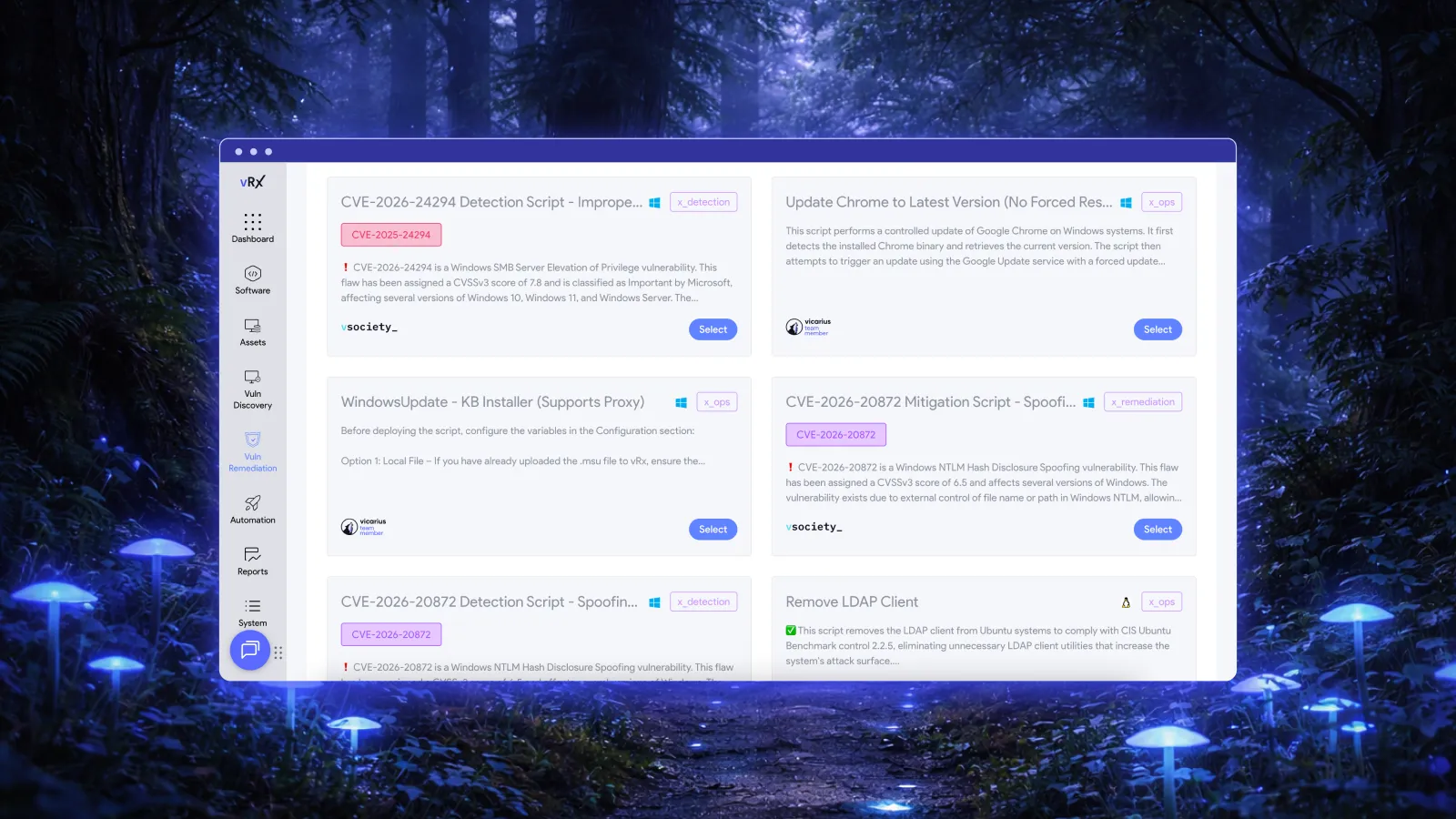
Business context should help authorize recurring action. For a known service class, agree which tested corrections can execute automatically, which operating windows apply, and which conditions require an exception. Reuse that authority for qualifying findings.
Reserve human discussion for decisions the policy cannot resolve: conflicting service requirements, an uncertain dependency, an untested correction or a consequence outside the agreed tolerance. This keeps service owners involved where their judgment matters without making them approve every routine fix.
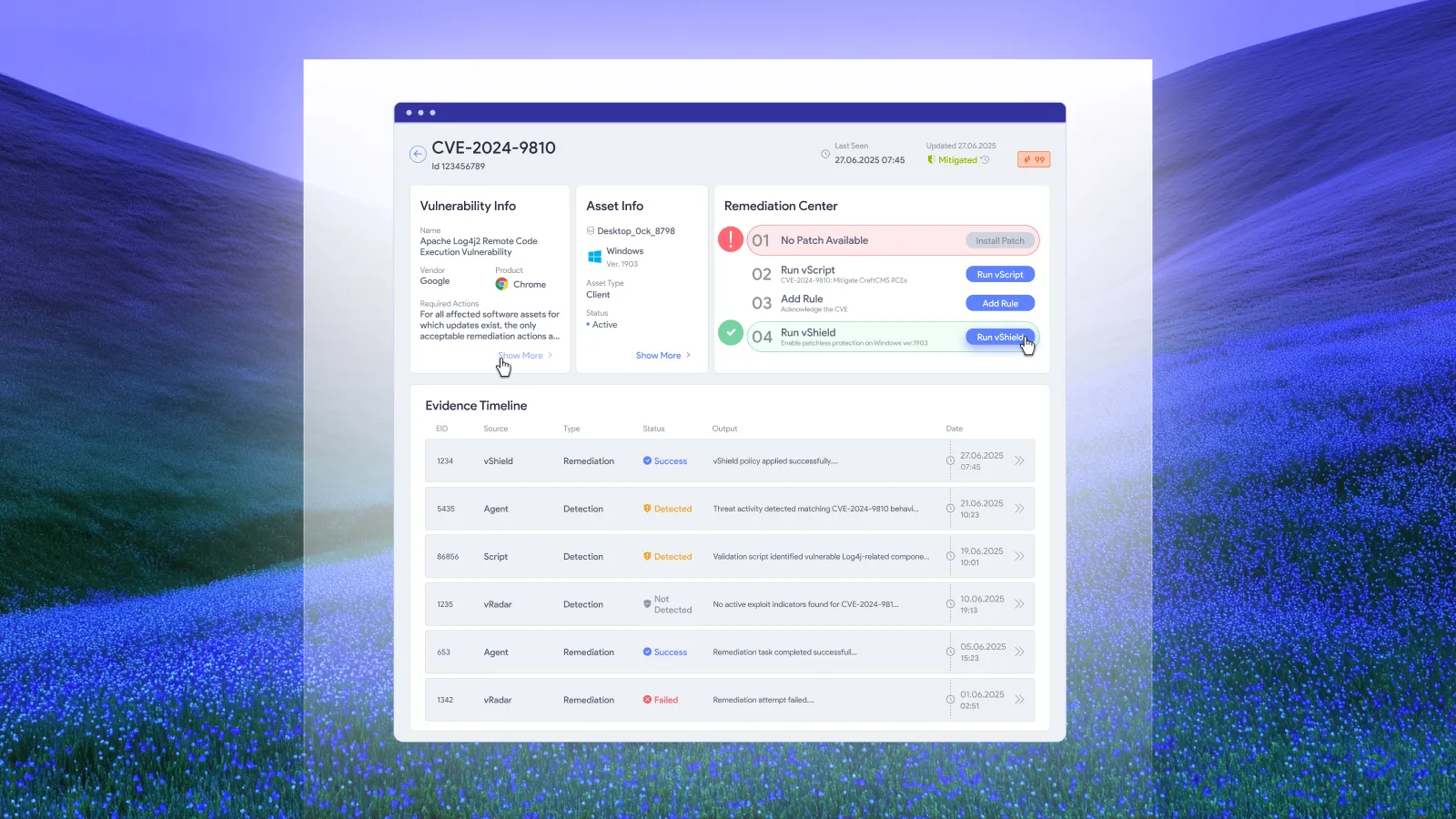
When the permanent fix cannot proceed immediately, define what the interim response changes. It might restrict an attack path or reduce exposure while deployment is prepared. Specify how the control will be checked and what event returns the case to permanent remediation. An accepted delay should have a visible basis and a next decision point.
Evidence can also justify revising a response. If a dependency assumption proves false, update the rationale and timing. If a compensating control fails its check, reconsider the urgency. The related discussion of exposure evidence that changes remediation decisions examines that technical evidence in more detail.
Explain the tradeoff without inventing precision
Use financial estimates only when the organization has a defensible method and supporting inputs. Avoid multiplying a severity score by an arbitrary business multiplier and presenting the result as expected loss. Without a validated model, the number cannot support the loss estimate.
A qualitative decision can still be rigorous. State the consequence, the evidence, the tolerated limit and why the chosen action fits. For example: “The affected component supports this deadline-sensitive process; the alternate route has not been tested; execute the approved fix through the validated maintenance path.”
Where the evidence supports a range of outcomes, preserve that range and its assumptions. Where the evidence is missing, identify what would resolve the uncertainty. The purpose is to make a decision that can be reviewed, not to make the worksheet look complete.
After remediation, verify the technical result and any service condition that justified the deployment approach. Retain the original rationale so the next review can distinguish a changed environment from a mistaken assumption. Repeated exceptions around the same service may indicate that its deployment path needs investment.
Frequently asked questions
What is business impact in risk-based vulnerability management?
Business impact is the consequence a vulnerability could have for the organization's services and objectives. A useful assessment identifies a concrete loss scenario and the dependency connecting the affected asset to that outcome.
Does a high CVSS score mean high financial loss?
No. CVSS describes severity, with additional context available through its metric groups. A financial estimate requires separate assumptions and evidence about the organization's exposure and consequences. A CVSS value should not be presented as a loss forecast.
Who should validate the business consequence?
The relevant service owner should validate the service dependency and operational consequence, with security contributing exposure evidence. Use the organization's existing authority for accepting risk or approving exceptions; ownership of a server alone need not confer that authority.
Can business context support automated remediation?
Yes. Use validated context to define standing rules for eligible service populations and tested fixes. Keep unresolved dependencies and exceptional tradeoffs outside routine execution until the responsible people resolve them.
Test one decision against its assumptions
Take one unresolved remediation decision and complete the impact-evidence worksheet with its service owner. Identify the assumption most likely to change the response, obtain that evidence, and turn the result into either an executable fix or a bounded exception with a named next action.