

The traditional approach to vulnerability management is dead. This week proved it.
On February 10, Microsoft released patches for 59 vulnerabilities six already being actively exploited before patches existed. Google's Chrome Web Store hosted 300+ malicious extensions with 37 million downloads. A critical BeyondTrust vulnerability was weaponized within 24 hours of disclosure. These aren't isolated incidents. They're symptoms of a fundamental breakdown in how organizations manage vulnerability risk.
The problem isn't that vulnerabilities exist. Organizations can't see them, can't prioritize them, and can't respond fast enough. The window for response keeps shrinking.
Microsoft's Patch Tuesday: When Six Zero-Days Arrive Too Late
On February 10, Microsoft released patches for 59 vulnerabilities across Windows and Office, Six were already being actively exploited in the wild before patches existed.
The most dangerous: CVE-2026-21533, a Windows Remote Desktop Services privilege escalation allowing SYSTEM-level access without user interaction, and CVE-2026-21514, a Microsoft Word zero-day bypassing Object Linking and Embedding (OLE) security mitigations.
This wasn't a surprise. It was a scheduled event organizations prepared for. Yet six zero-days were already in the wild.
What Went Wrong
Organizations don't know which systems run vulnerable Microsoft software. Without comprehensive asset inventory and exposure mapping, security teams can't prioritize patching or identify at-risk systems.
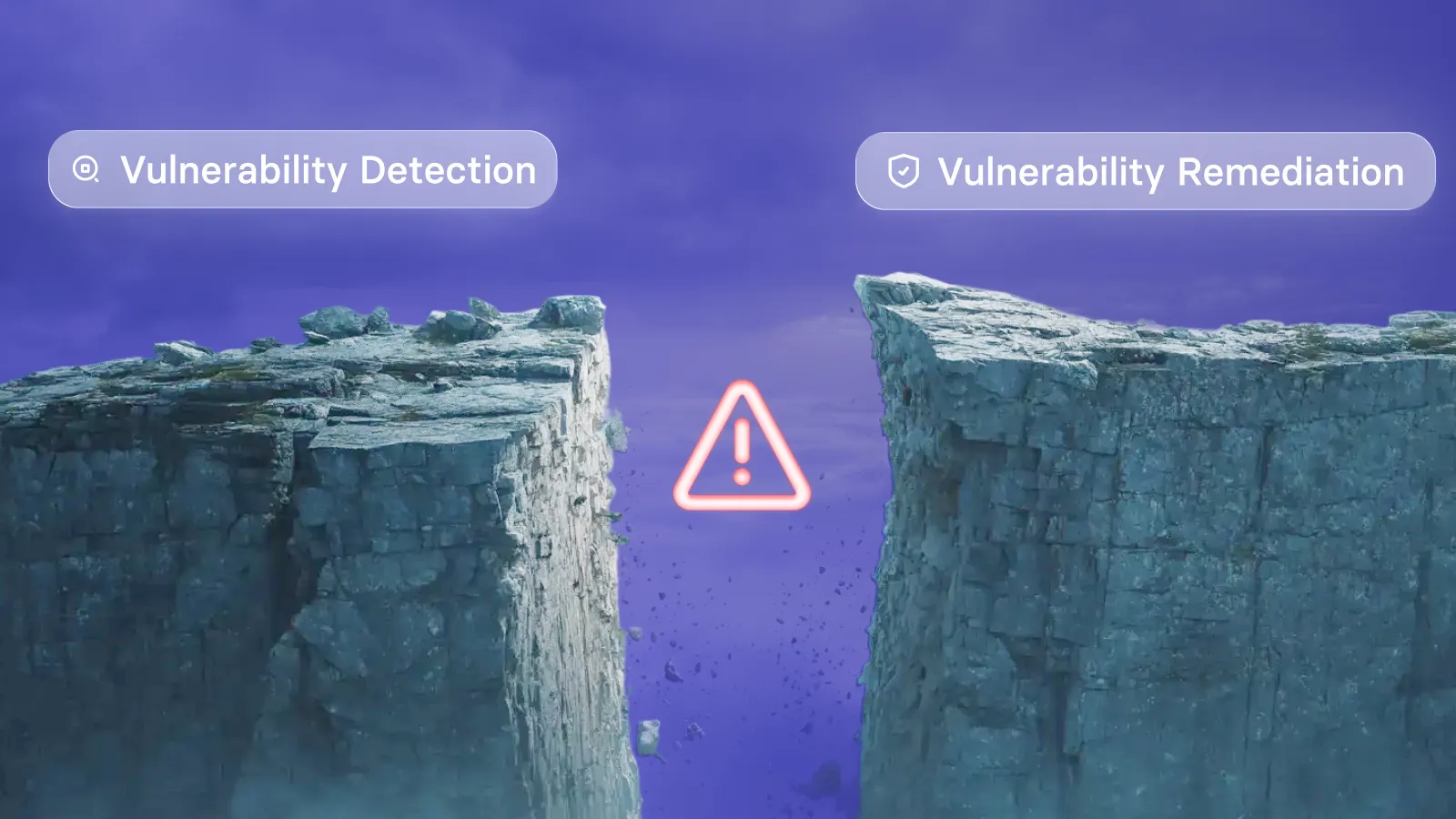
But visibility is only part of the problem. Traditional monthly patch cycles are fundamentally broken. With zero-days weaponized before patches exist, organizations need continuous vulnerability detection, real-time exposure assessment, and rapid patch deployment not monthly updates.
The shrinking window between disclosure and exploitation (now measured in hours) means vulnerability intelligence must be continuous, patch deployment automated, and risk assessment must account for active exploitation status.
The Vicarius Perspective
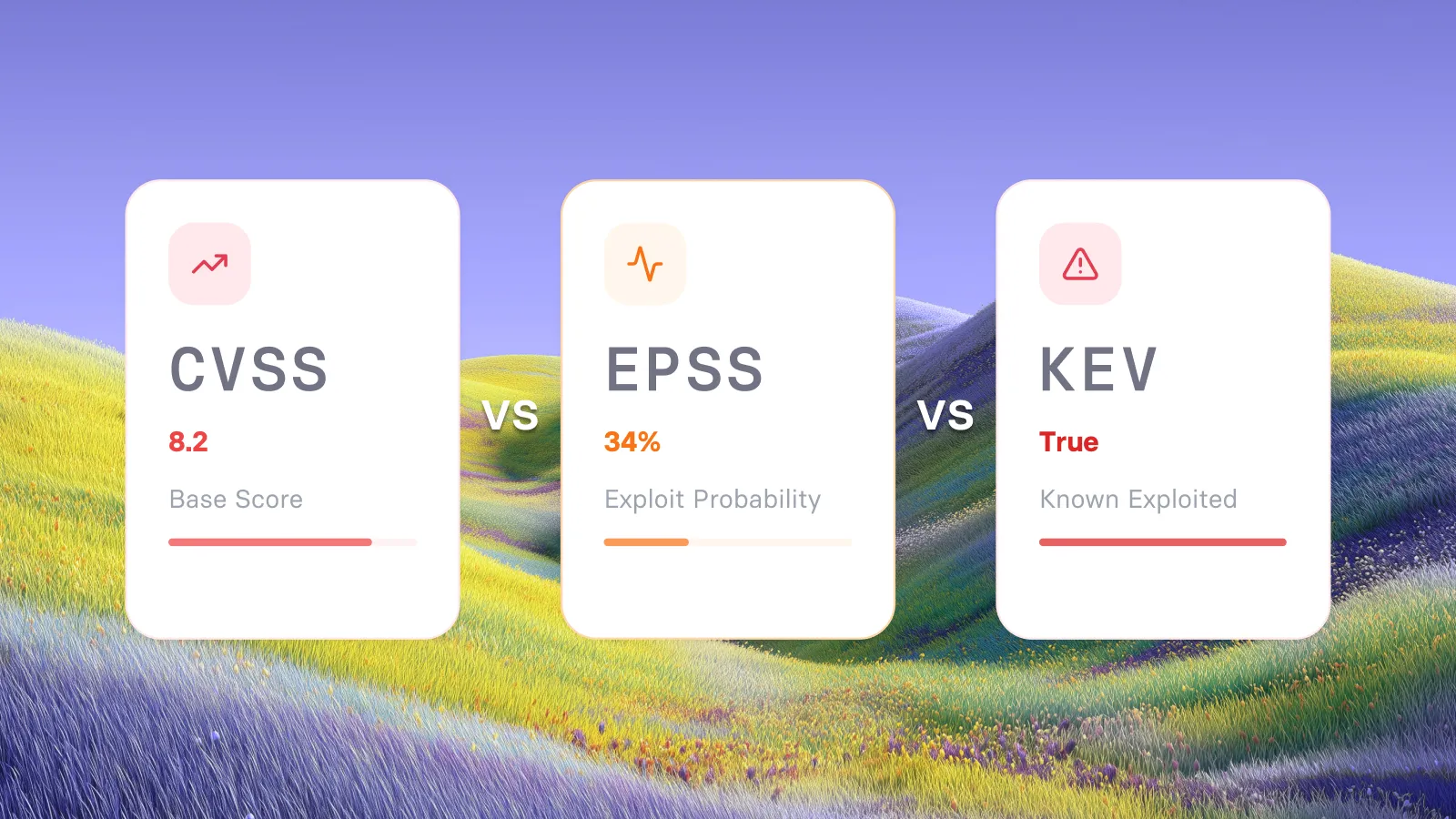
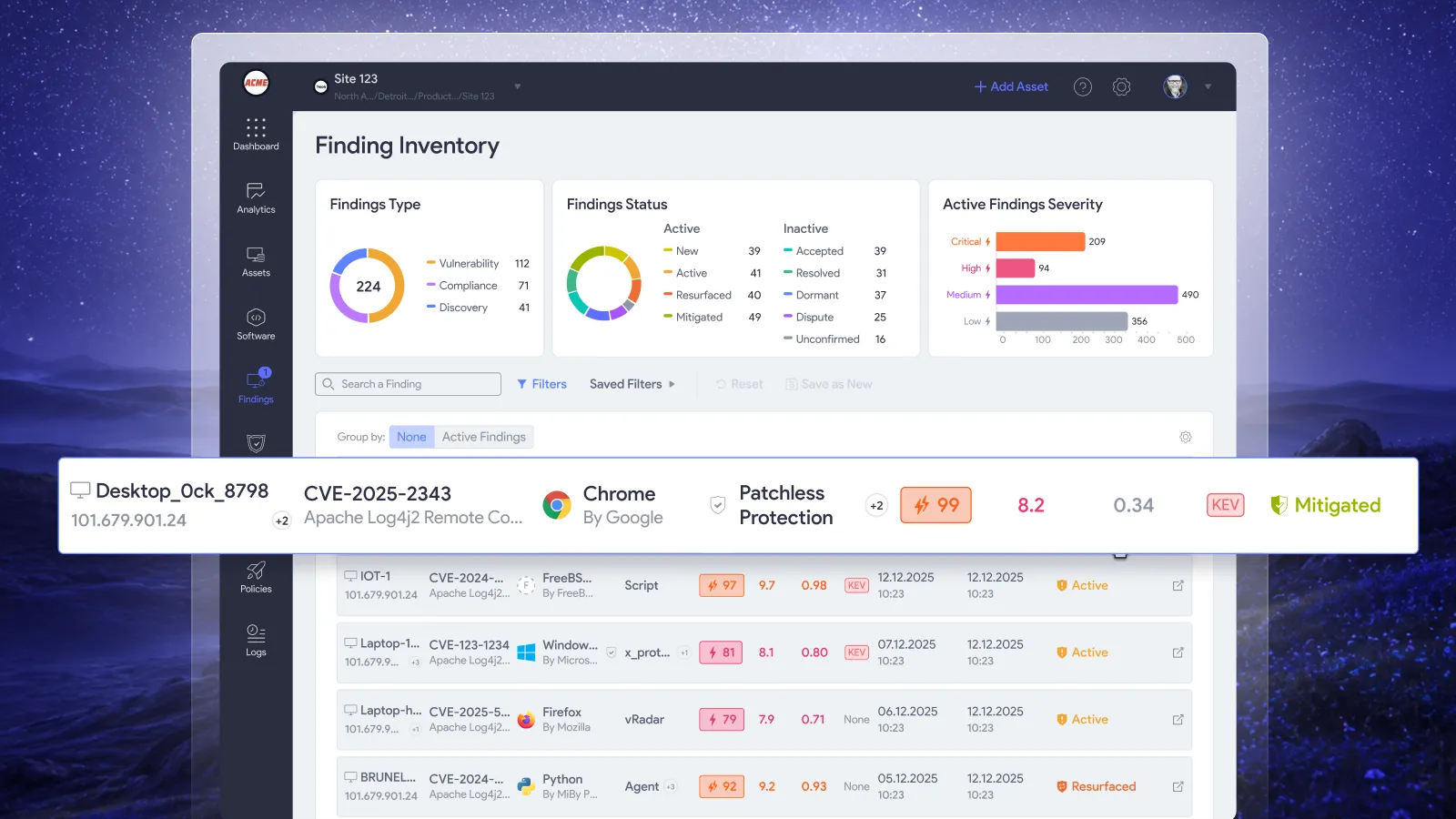
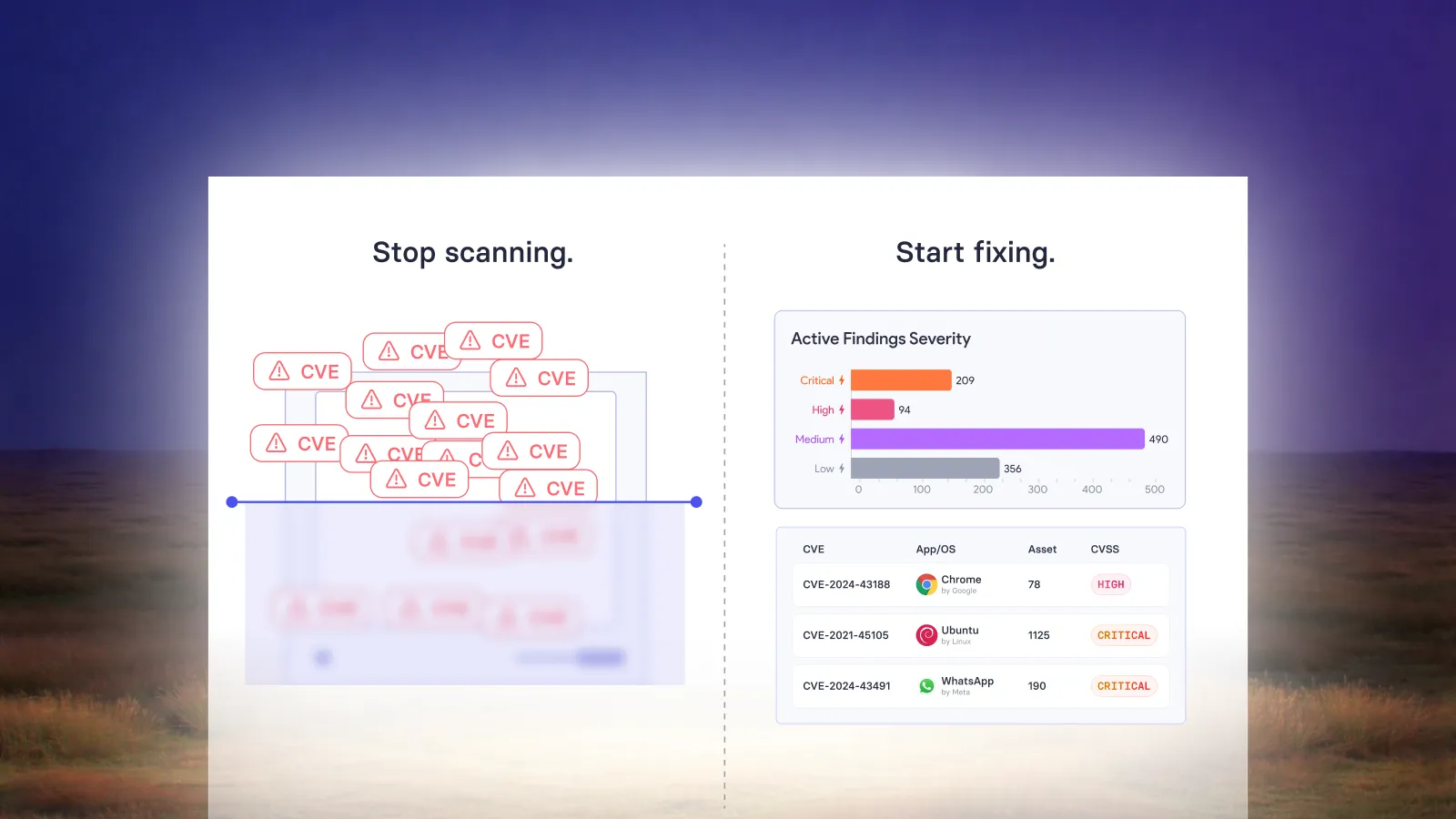
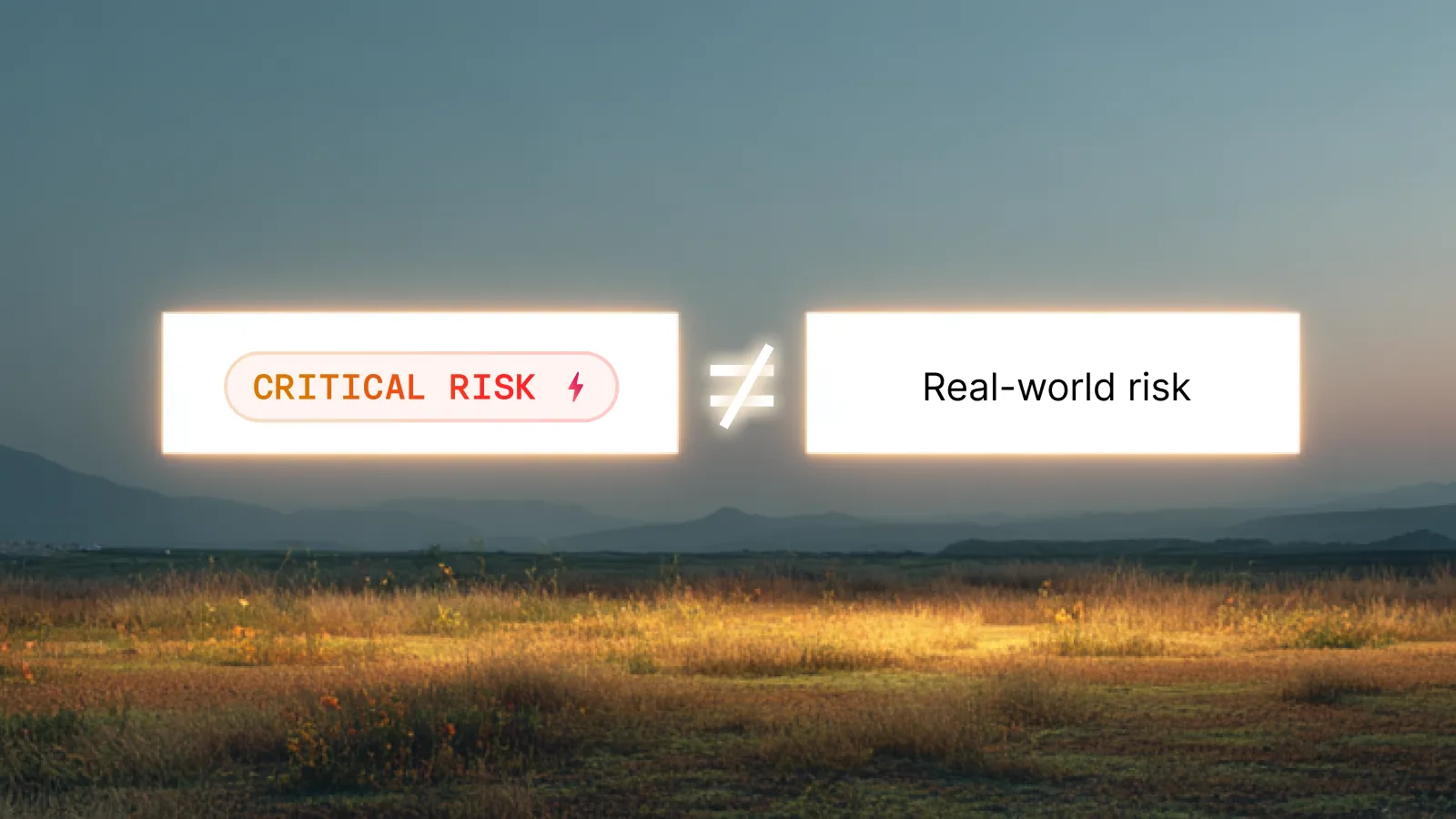
Here's where the industry's obsession with CVSS scores breaks down. Microsoft released 59 patches. How many are critical for your organization? How many affect systems you own? How many are already exploited? Most organizations: they don't know.
Exposure management changes this. Instead of "how many vulnerabilities exist," ask "which vulnerabilities affect my systems, and which are being actively exploited?" This shifts from patch volume to actual risk.
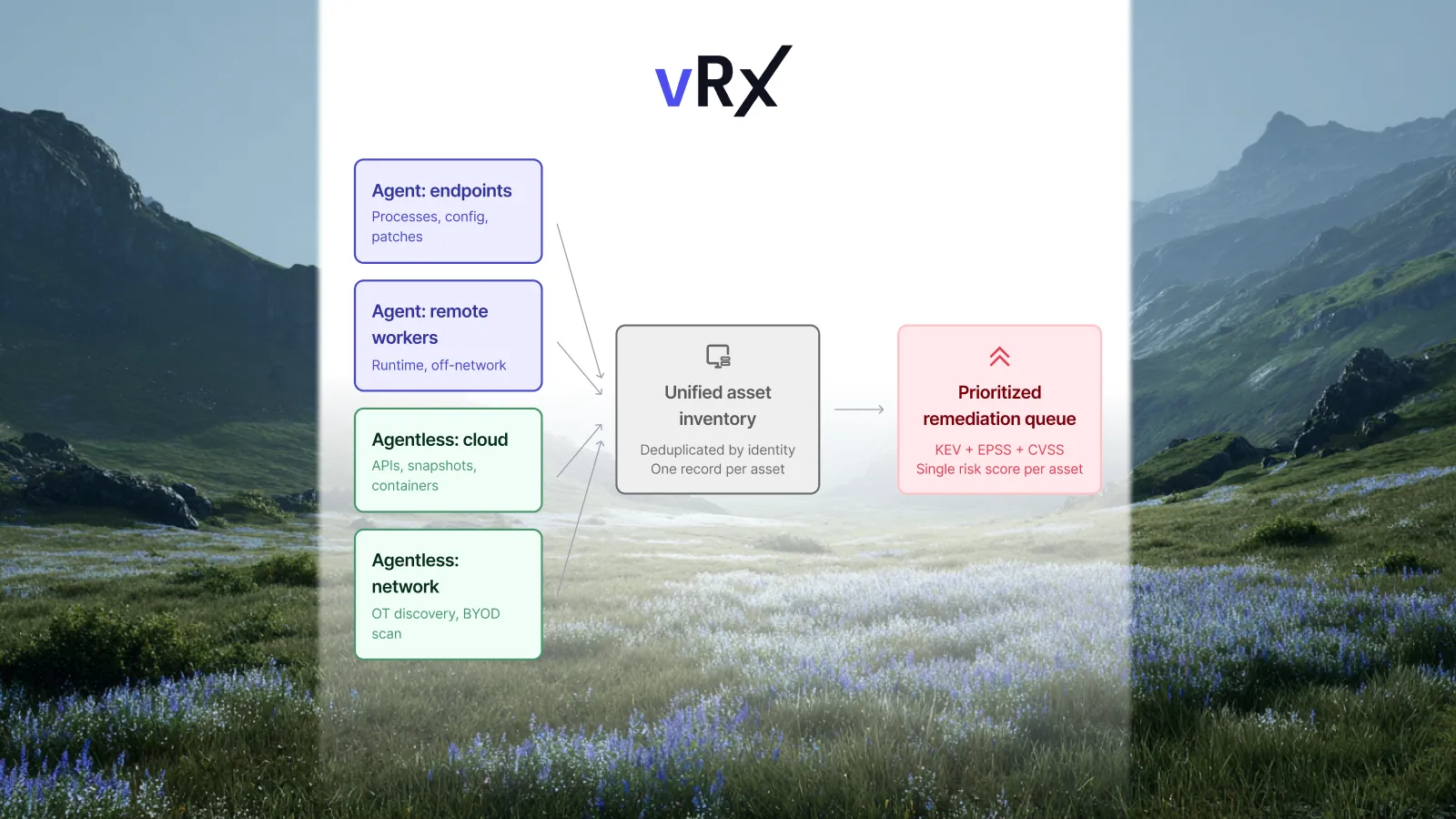
Organizations need continuous exposure visibility answering three questions: What vulnerable systems do I have? Which vulnerabilities are actively exploited? What's my actual risk if I don't patch in 24 hours?
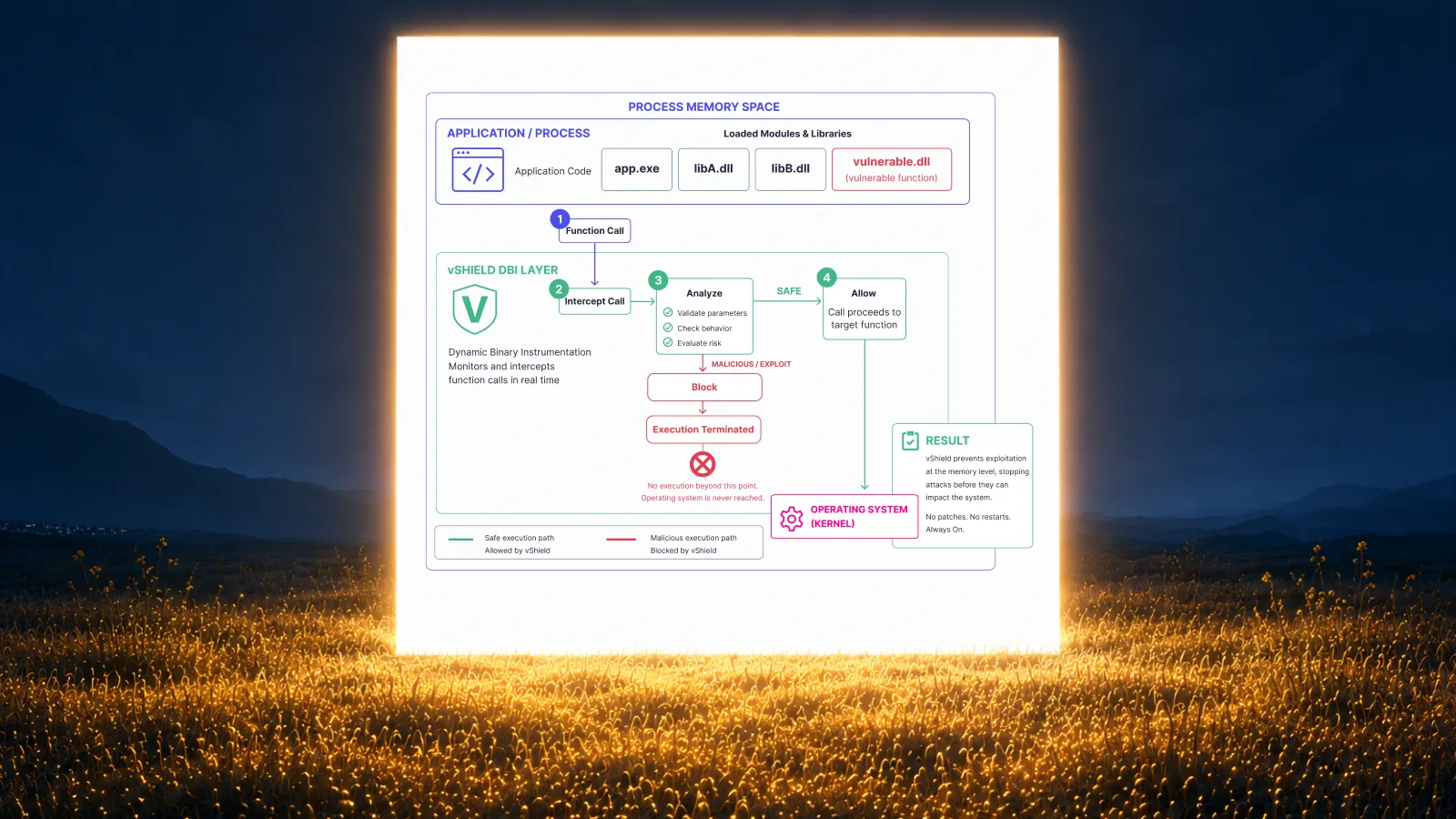
The survivors will shift from patch-centric to exposure-centric vulnerability management. They'll identify vulnerable systems within minutes of disclosure, deploy patches within hours, and have compensating controls before patches exist.
300+ Malicious Extensions: The Blind Spot Nobody's Talking About
On February 16, researchers discovered 300+ malicious Chrome extensions with 37 million combined downloads. Masquerading as AI assistants, they stole user data and exfiltrated sensitive information. Carbon copies with superficial branding differences classic mass-production malware.
Distributed through the official Chrome Web Store with legitimate names and user reviews, they had direct access to every website employees visited, every password entered, every document accessed. Organizations had zero visibility into which employees installed them.
What Went Wrong
Browser extensions represent the most dangerous blind spot in enterprise security. Employees install random extensions with direct access to browsing activity, credentials, documents, email, and financial information. Security teams have almost no visibility.
Organizations can't manage what they can't see. And they're not seeing browser extensions.
The Chrome Web Store vetting is inadequate. Extensions update with malicious code after approval. They request excessive permissions. They exfiltrate data without triggering alerts. Organizations have no way to detect this.
The Vicarius Perspective
Treat browser extensions as critical infrastructure. Implement the same rigor for extension management as application management. Require security review before installation. Monitor extension behavior continuously. Treat compromise as critical incidents.
This requires visibility: continuous discovery of all extensions, identification of excessive permissions, detection of known vulnerabilities, behavioral analysis for suspicious activity, comparison against malicious databases.
Survivors will have visibility into all extensions, rapidly identify and remove malicious ones, enforce extension policies, and monitor for suspicious behavior.
BeyondTrust CVE-2026-1731: Weaponization in 24 Hours
On February 13-17, researchers discovered a critical BeyondTrust vulnerability (CVE-2026-1731) being actively exploited. CVSS 9.9 the highest severity.
Hackers developed working exploits within 24 hours of proof-of-concept release. The vulnerability allows unauthenticated remote code execution. Complete system compromise.
What Went Wrong
Traditional vulnerability management assumes you have time to assess, test, plan, and deploy. That assumption is dead.
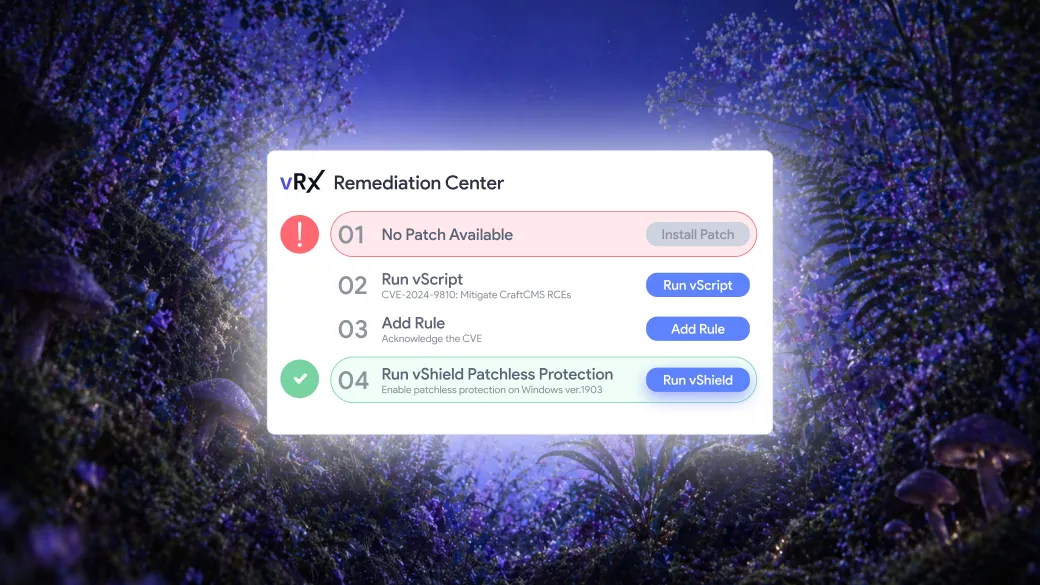
When vulnerabilities weaponize in less than 24 hours, you have no time. You need immediate visibility into affected systems. You need immediate detection of exploitation. You need compensating controls before patches exist.
Organizations lack this capability. No real-time visibility into vulnerable systems. No rapid response procedures. No automated remediation workflows.
The Vicarius Perspective
Risk-based prioritization is essential. A CVSS 9.9 affecting one internet-facing system is more critical than CVSS 5.0 affecting 1000 internal systems.
Implement risk-based prioritization accounting for exploitability, exposure, business impact, and active exploitation. Use threat intelligence to predict which vulnerabilities will be exploited. Identify vulnerable systems within minutes. Deploy patches within hours.
Survivors will have real-time exposure visibility, identify vulnerable systems within minutes of disclosure, deploy patches within hours, maintain compensating controls for critical vulnerabilities, detect exploitation in real-time, and execute rapid incident response.
The Bottom Line
The traditional approach to vulnerability management is dead. Organizations need continuous exposure visibility, rapid response capability, and risk-based prioritization.
This week's incidents reveal a fundamental truth: organizations cannot manage what they cannot see. The path forward requires shifting from patch-centric to exposure-centric vulnerability management. Identify vulnerable systems before attackers do. Deploy patches within hours. Implement compensating controls. Monitor for exploitation in real-time.
The organizations that make this shift will survive. The ones that don't will be breached.
Related resources:






















.webp)


















%20Signals%20a%20New%20Era%20of%20Supply%20Chain%20Risk.webp)







.webp)