

A concerning trend has been emerging for SOC and IT operations teams to deal with: a relentless barrage of actively exploited vulnerabilities has been on the rise, ranging from Adobe Experience Manager zero-days to massive cumulative Patch Tuesday rollouts from major vendors.
This growing, never-ending influx of critical updates forces enterprises into accelerated remediation cycles where the error margin is nonexistent. The pressure is no longer just about identifying the holes; it is about how quickly and efficiently those holes can be closed – before an adversary takes advantage. This environment creates a stark operational dilemma for medium-to-large environments: teams must balance the imperative for rapid rollouts with the absolute necessity of maintaining operational stability. It is not merely a task of patching a few CVEs; it involves ensuring that remediation actions are verified and do not create new failures within complex infrastructures.
As a result, simply knowing about a problem is no longer enough. The modern standard for security efficacy is the ability to take immediate, validated action to resolve exposures as they appear.
Navigating the high stakes of modern zero-day cycles
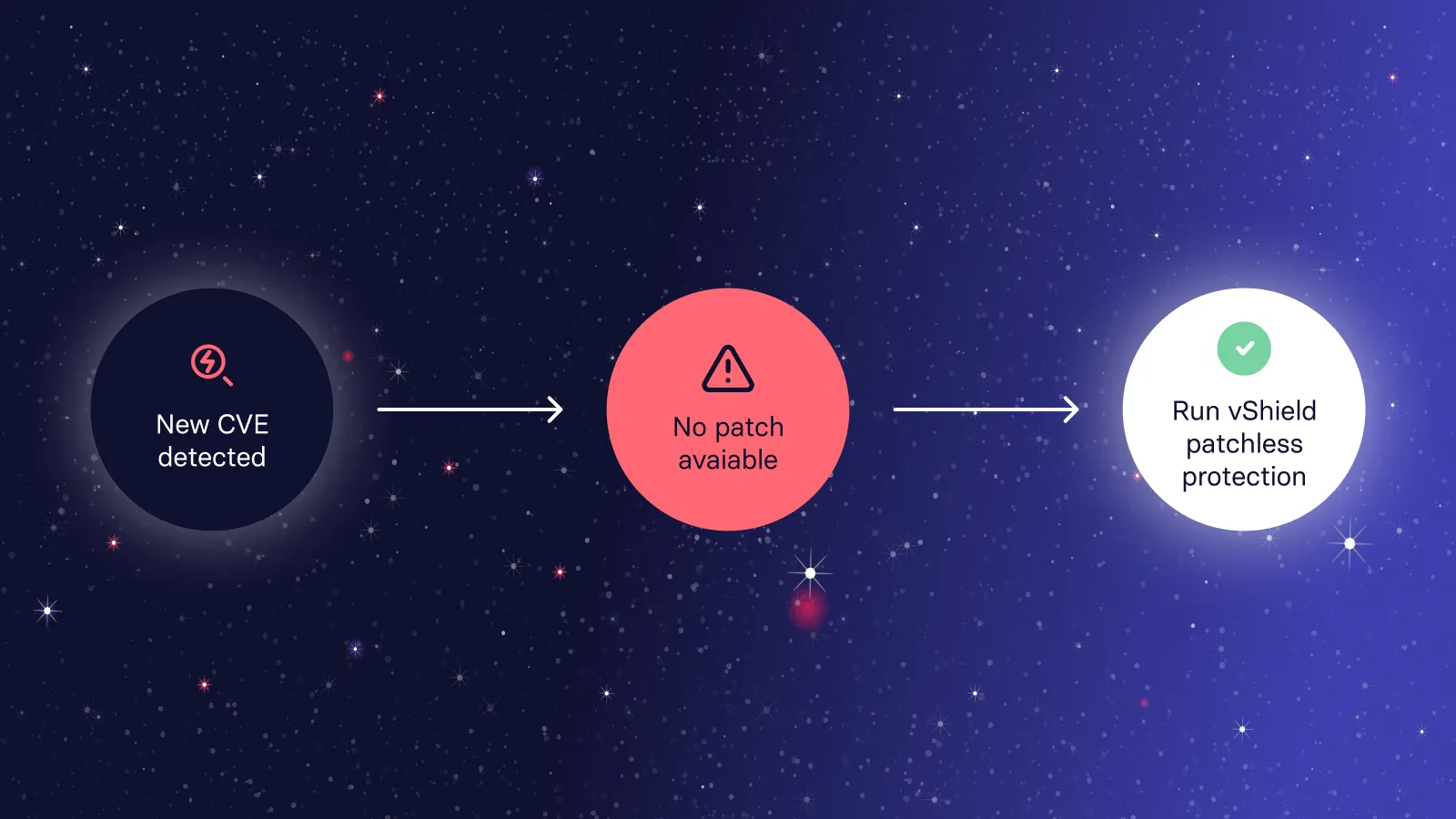
The speed and severity of recent exploits underscore how vital it has become for technical teams to react promptly with proven and validated remediation. When actively exploited vulnerabilities surface, the traditional window for testing and gradual deployment shrinks dramatically, forcing teams to move faster than their standard operational procedures may comfortably allow. This "patch or perish" reality places immense strain on IT operations, where the goal is to neutralize the threat without bringing down critical business services.
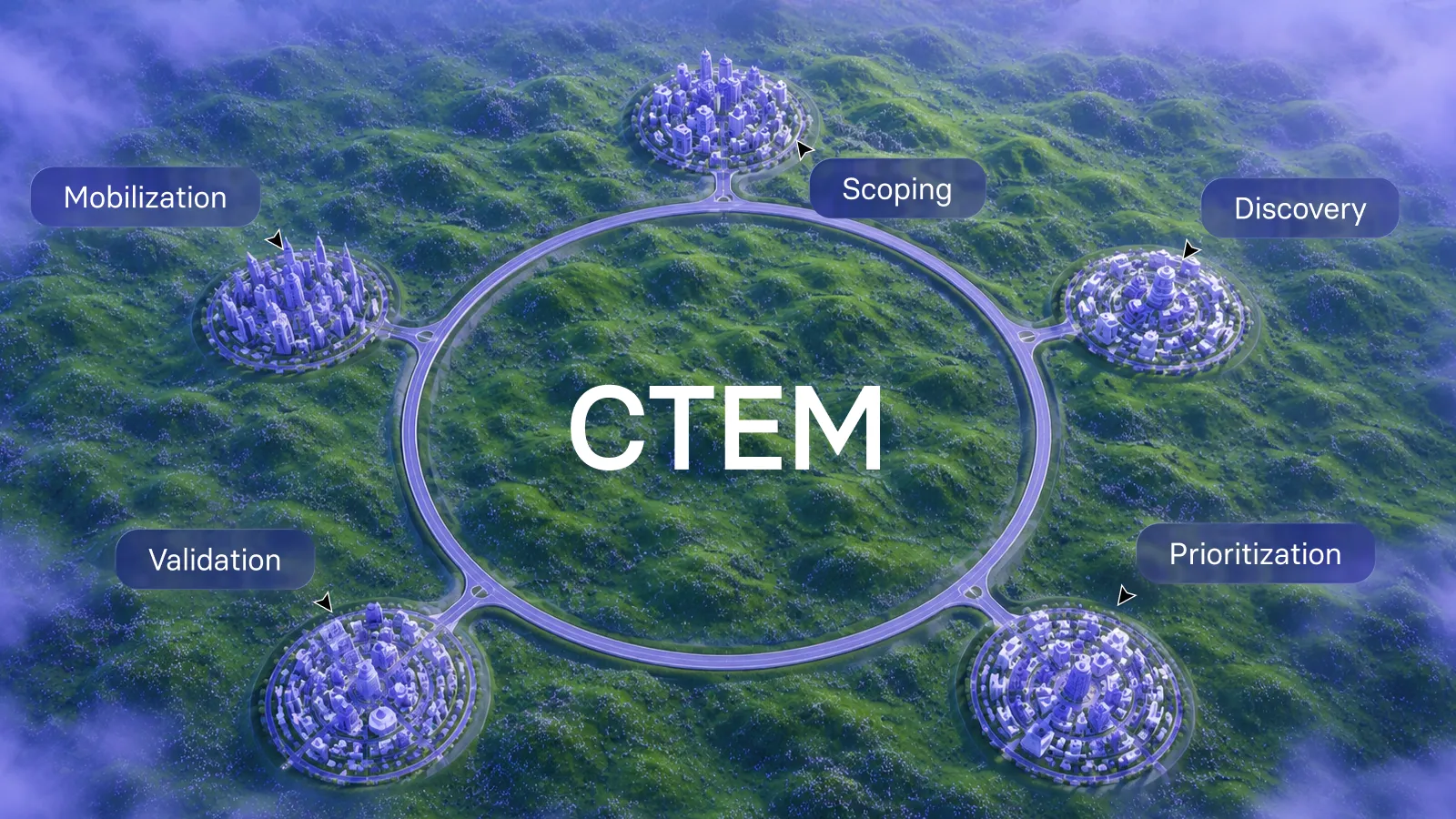
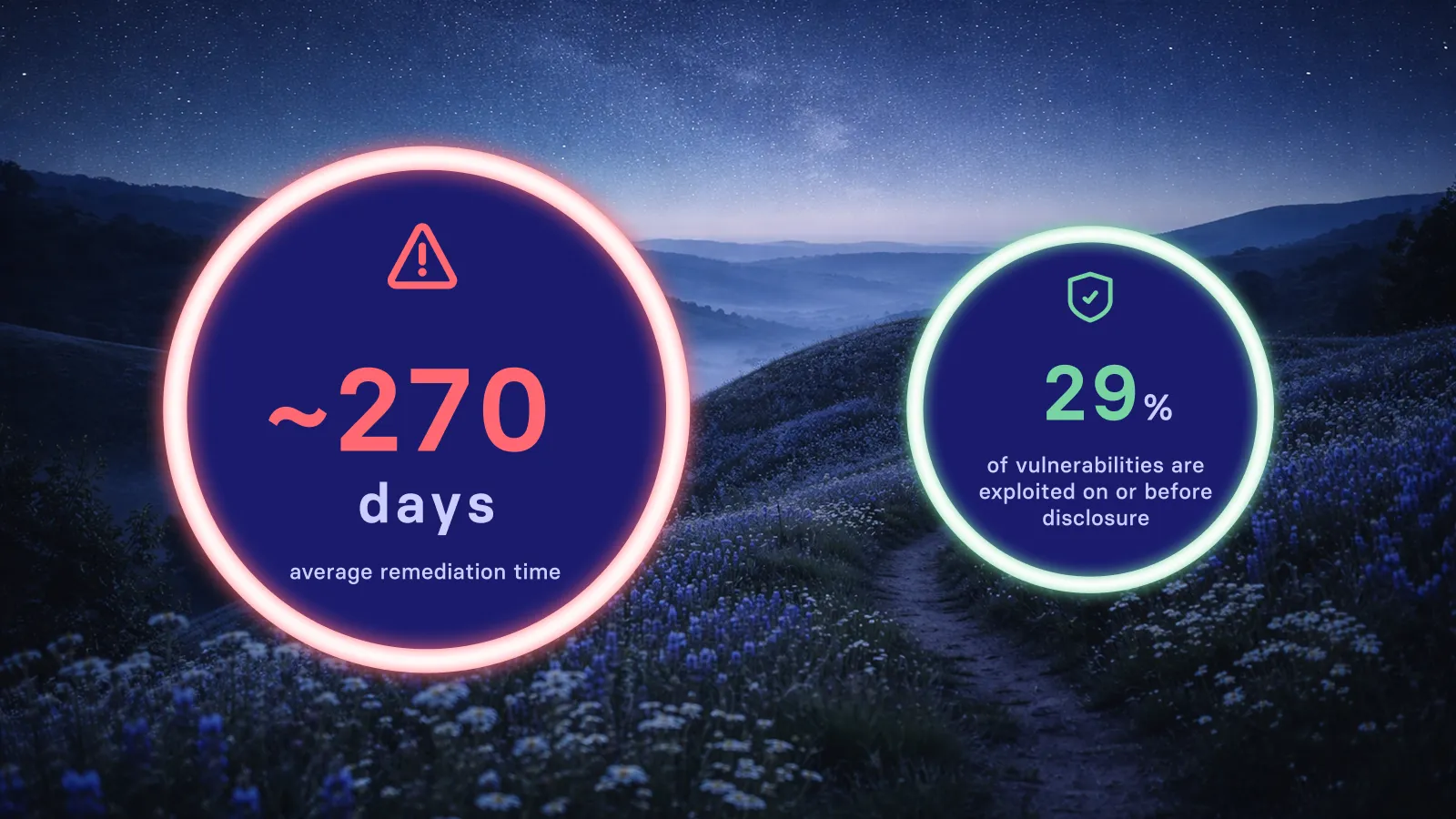
As the vulnerability management category expands into exposure management, the industry's focus is evolving toward a specific mission: to own and accelerate the mobilization and remediation of exposures. This shift acknowledges that detection is only the starting point. To truly navigate the high stakes of modern zero-day cycles, organizations must prioritize the following operational goals:
- Accelerated mobilization: Teams must be able to move from identification to action instantly, reducing the mean time to remediation (MTTR) for critical assets. This is vital because simply knowing about a problem isn't enough; the true measure of security efficacy is the speed at which an organization can mobilize to fix exposures.
- Validated outcomes: Remediation must be verified to ensure it effectively resolves the vulnerability without introducing regression or instability. This verification is critical for balancing rapid rollouts with the need to prevent new failures, a real operational dilemma for SOC and IT ops teams facing large cumulative patch rollouts.
- Operational resilience: The process must support operational stability, ensuring that rapid action does not result in downtime or service interruption. By prioritizing practical outcomes over vague promises, organizations can navigate urgent zero-day deployments without sacrificing the stability required in medium-to-large environments.
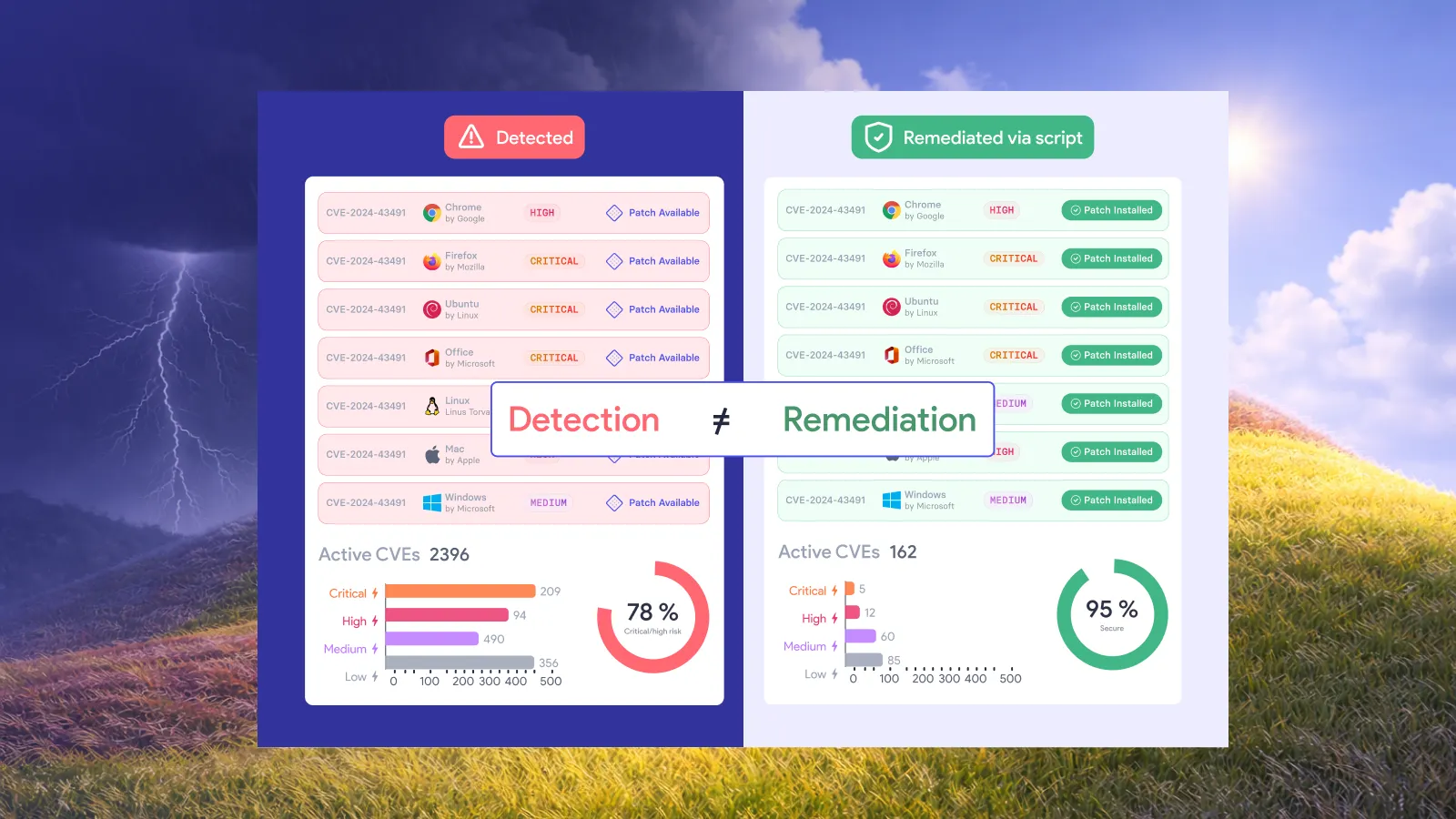
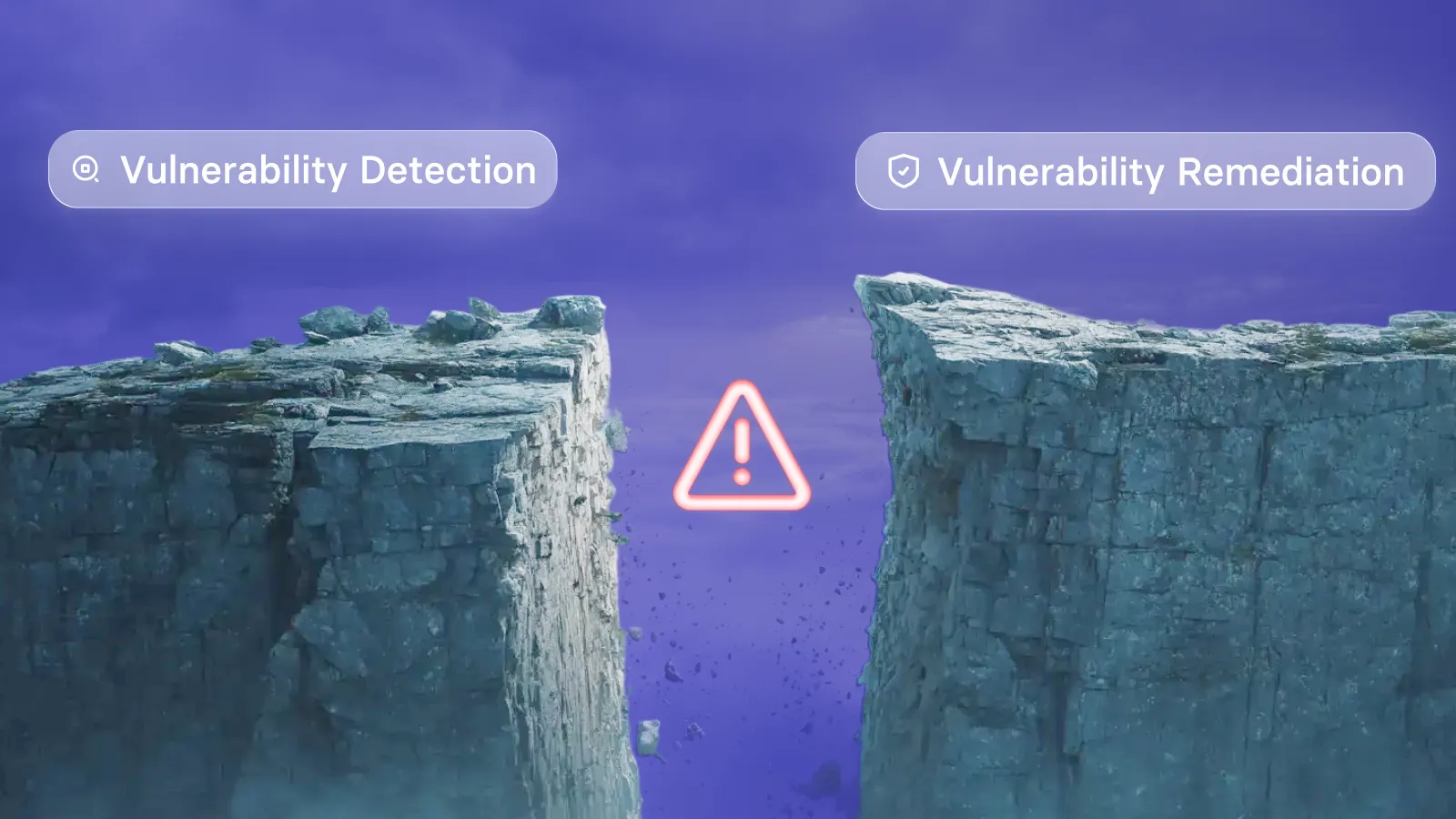
The remediation gap: Why detection is only half the battle
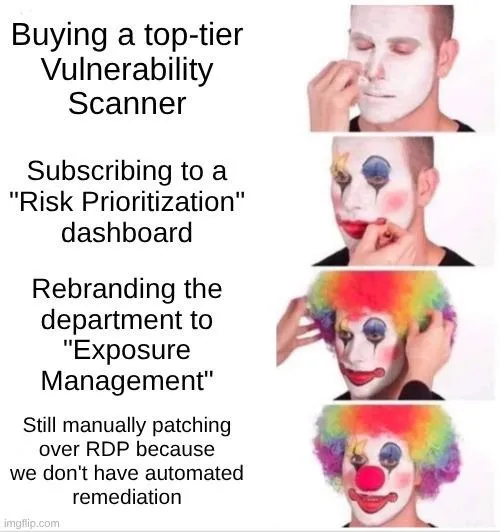
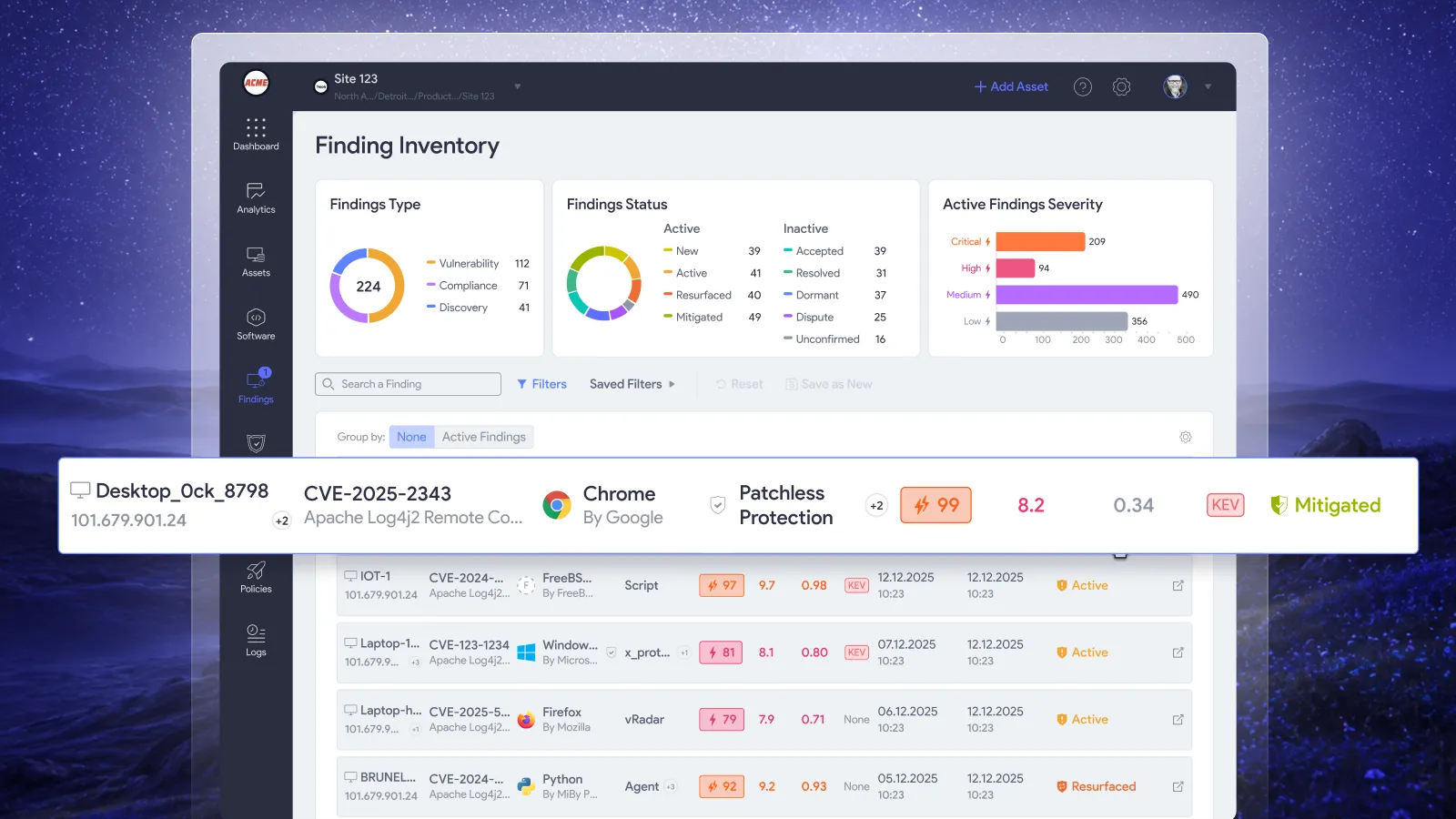
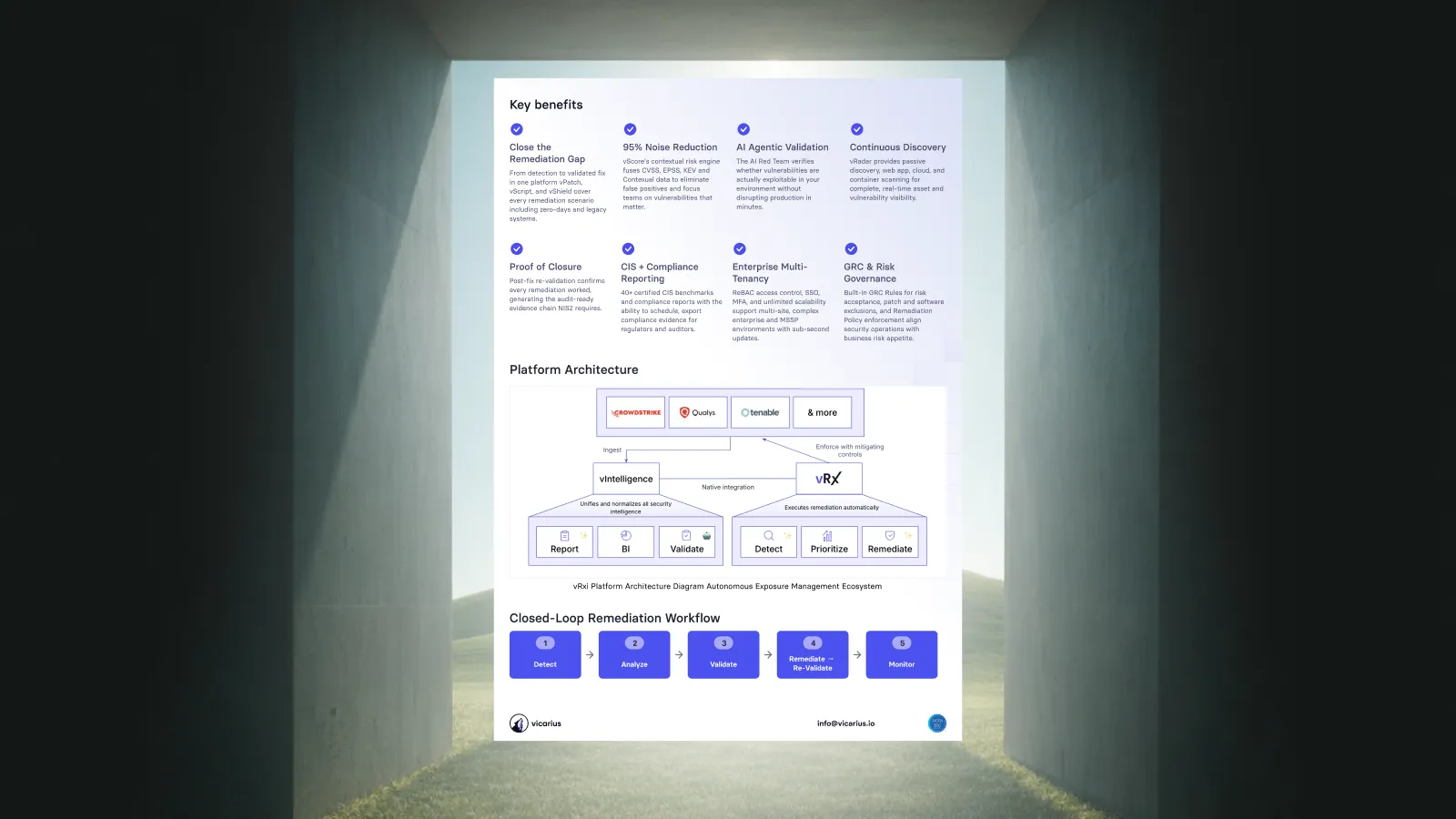
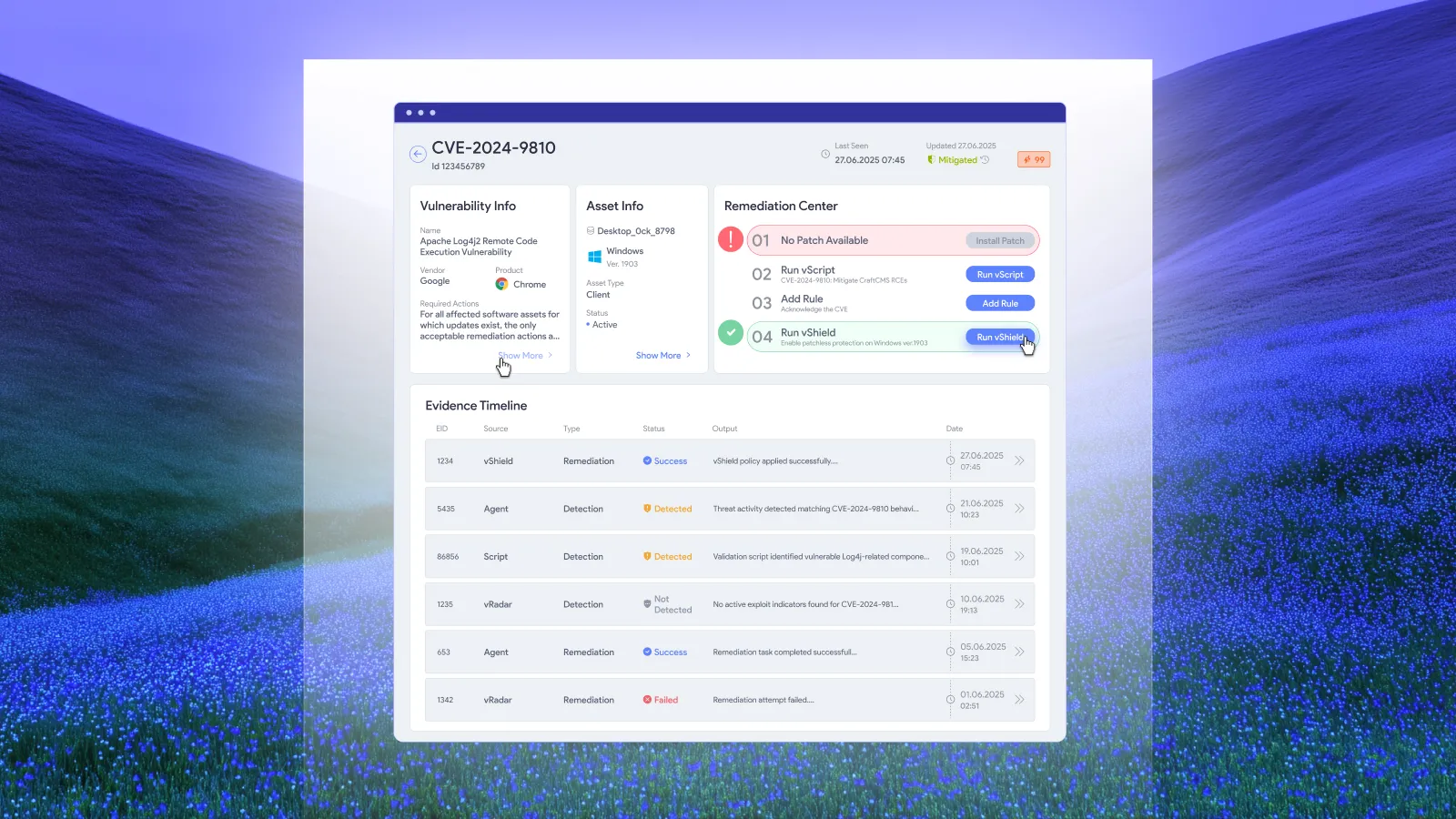
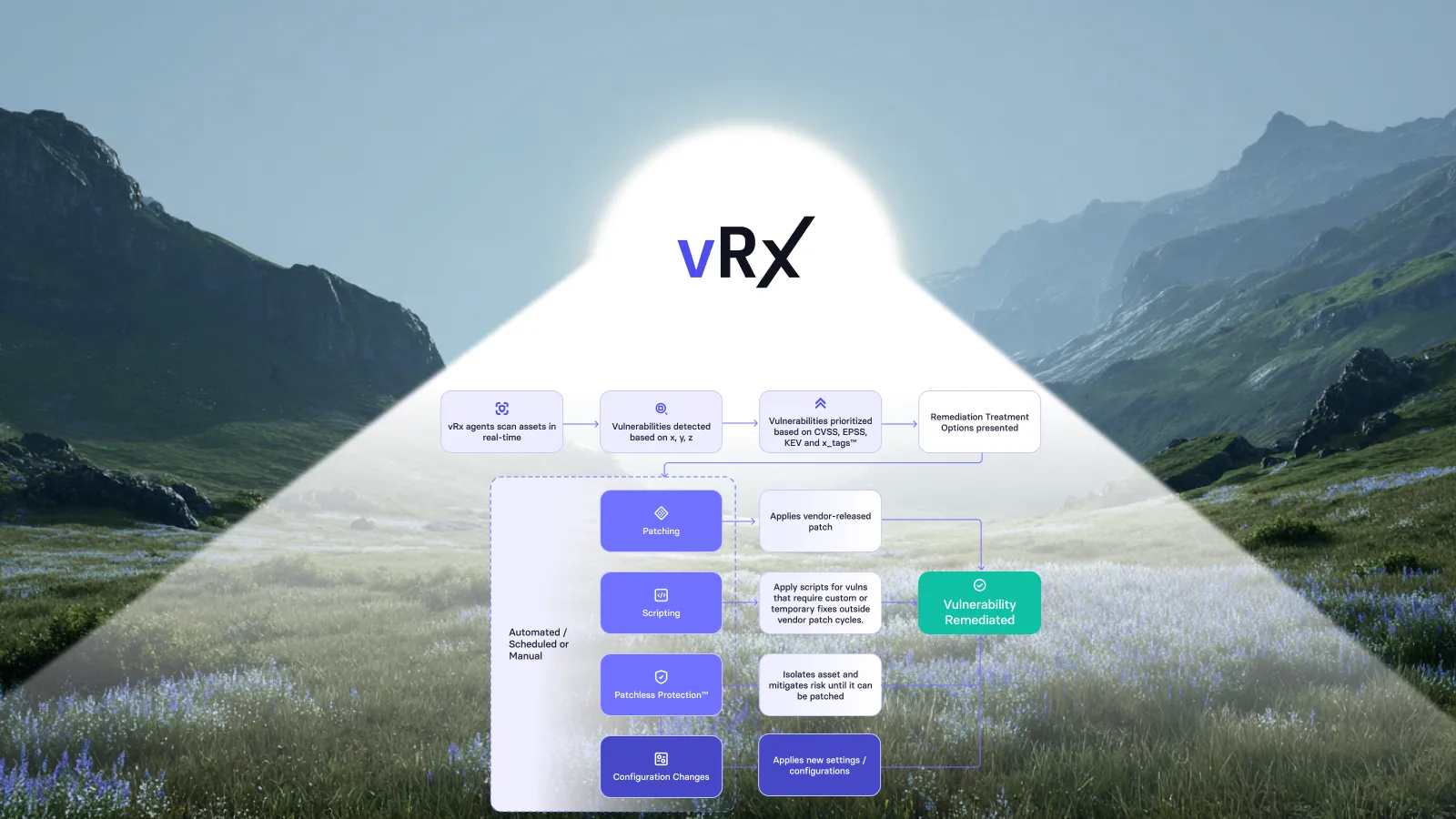
For years, the cybersecurity industry has focused heavily on detection, scanning, and prioritization. While these capabilities are essential for visibility, they often leave teams with a long list of problems and limited resources to solve them. To address the most critical part of the vulnerability lifecycle - remediation - vRx by Vicarius was purpose-built to help organizations not only identify exposures but take definitive action.
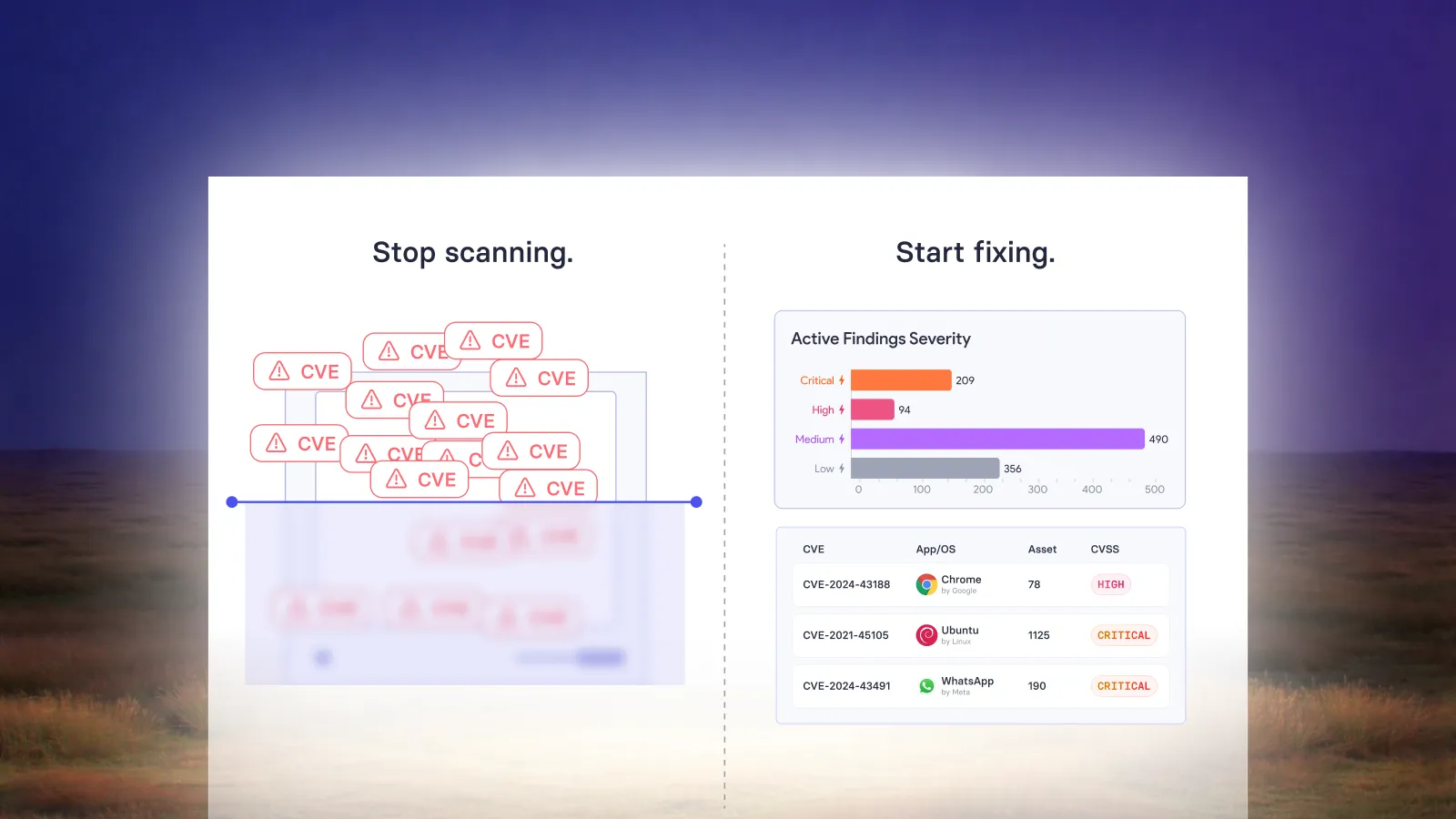
The philosophical difference here is significant: knowing about a problem isn't enough; fixing it is what truly matters. While many platforms stop at the "alert" phase, the goal must be to help teams move from "now we know" to "now it's fixed". Scanning and prioritization features should exist primarily to support this goal, helping teams fix what matters, fast, rather than simply adding to the noise of alert fatigue.
Operational imperatives: Testing, deployment, and rollback
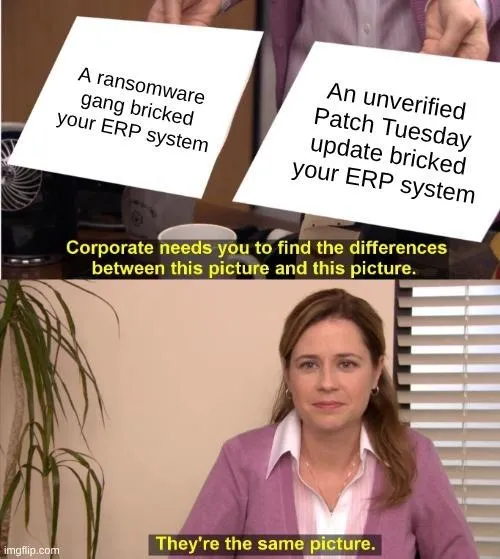
In medium-to-large environments, the deployment of patches cannot be a "spray and pray" operation. It requires a disciplined approach to validated remediation, which includes patch testing, rapid deployment, and rollback planning. Skilled cybersecurity professionals know that a patch applied without verification is a potential operational risk. Therefore, the remediation process must be as robust as the detection process, ensuring that every action taken is deliberate and reversible if necessary. To maintain stability while accelerating timelines, teams need tools that emphasize real value and practical outcomes rather than vague or inflated claims.
The focus must be on specific capabilities that solve the operational dilemma of the SOC:
Patch testing
Updates must be rigorously tested in isolated environments to predict their impact on production systems. In an environment where creating new failures constitutes a real operational dilemma for SOC and IT ops teams, blindly applying updates is negligent. A robust strategy requires validated remediation where patch testing is integrated directly into the workflow. By verifying that remediation actions will not disrupt business operations before they reach critical assets, organizations can ensure that the solution does not create further instability.
Rapid deployment
Once validated, patches need to be distributed quickly across the network to close vulnerability windows. Actively exploited vulnerabilities of e.g., widely used productivity apps alone can often force enterprises into accelerated remediation cycles. Operational success depends on the ability to execute these rapid rollouts while maintaining stability in medium-to-large environments. This capability supports the primary goal of helping teams fix what matters, and quickly - ensuring that the time between verification and protection is minimized.
Rollback planning
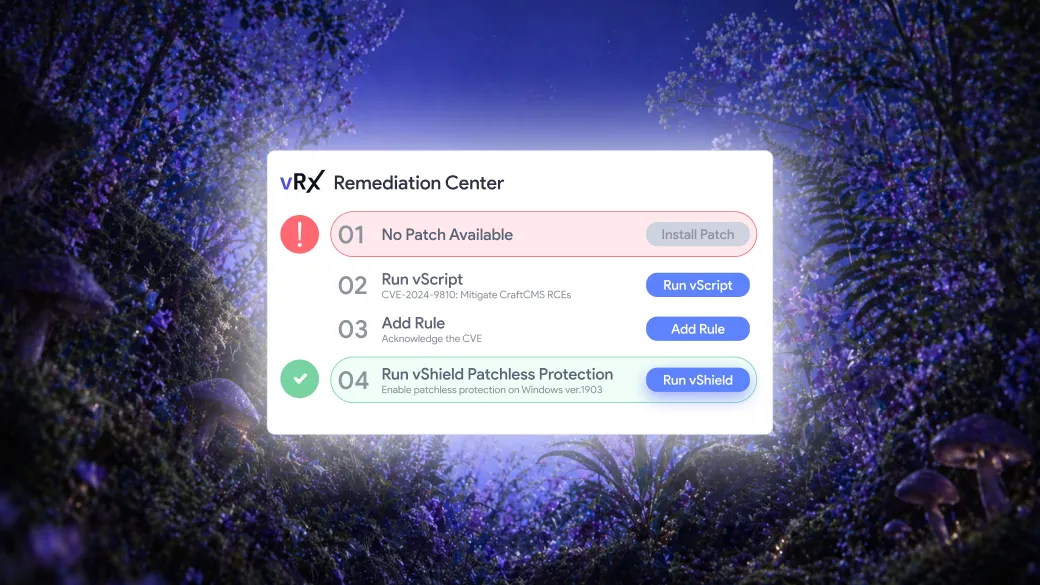
Teams must have the ability to instantly revert changes if a patch creates new failures or instability. Even with testing, the complexity of modern infrastructure means that unforeseen conflicts can arise, making rollback planning a crucial component of prompt remediation. Having a safety net allows IT teams to act with confidence rather than hesitation; if a deployment causes an issue, the focus can immediately shift to restoring service levels. This approach prioritizes practical outcomes and resolves the dilemma of balancing security urgency with operational continuity.
Bridging the silos: The "Better Together" ecosystem
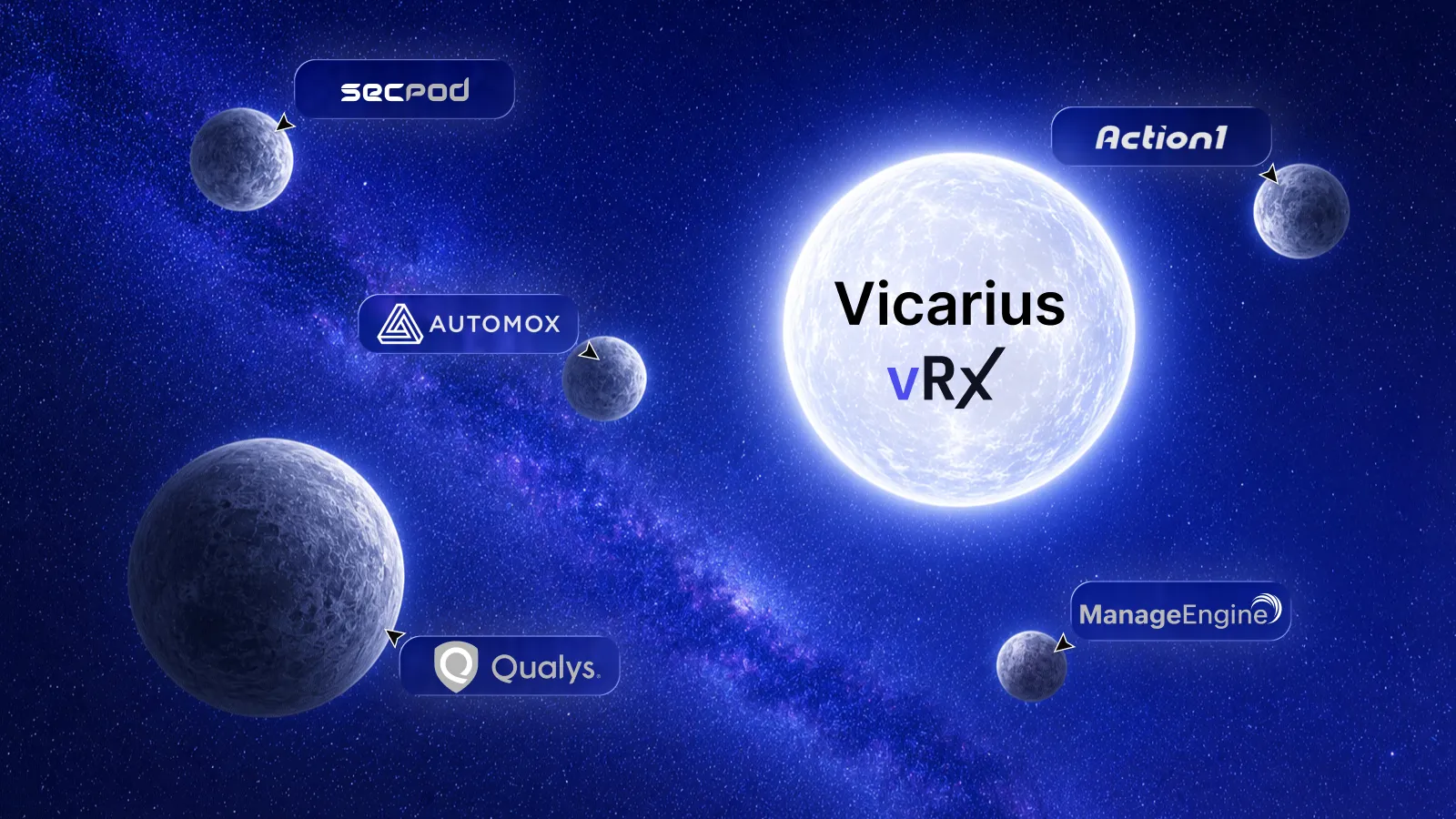
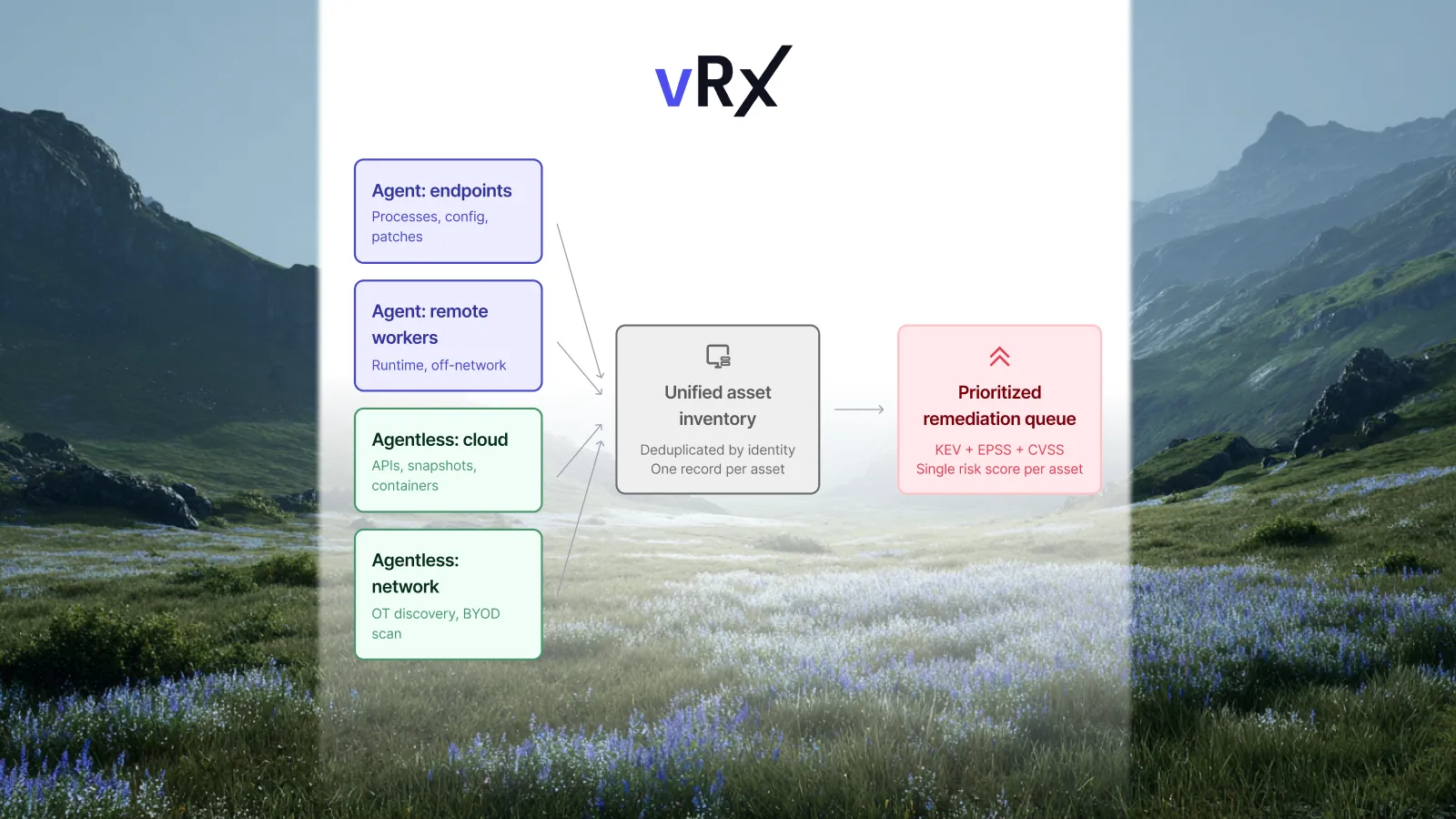
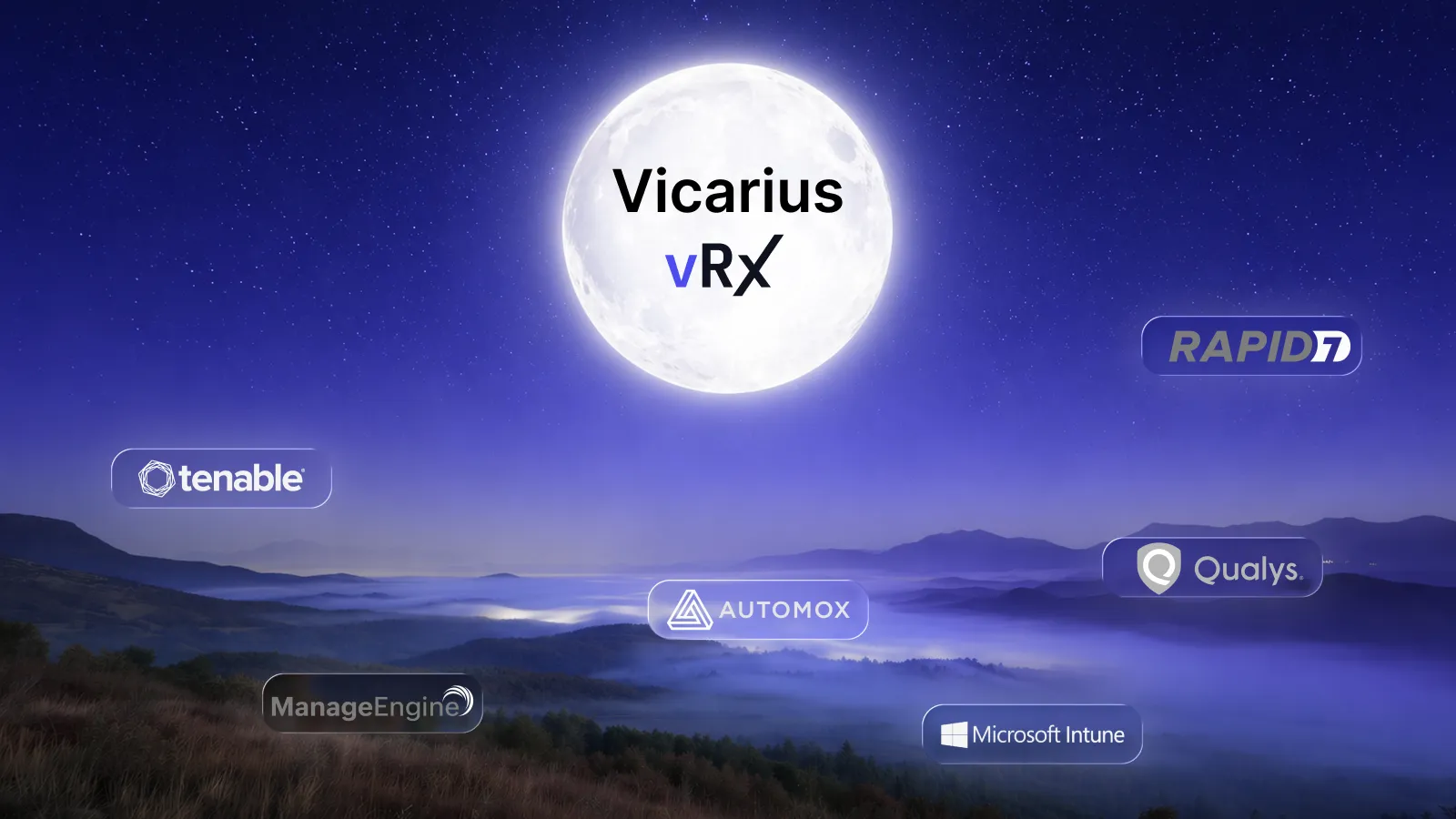
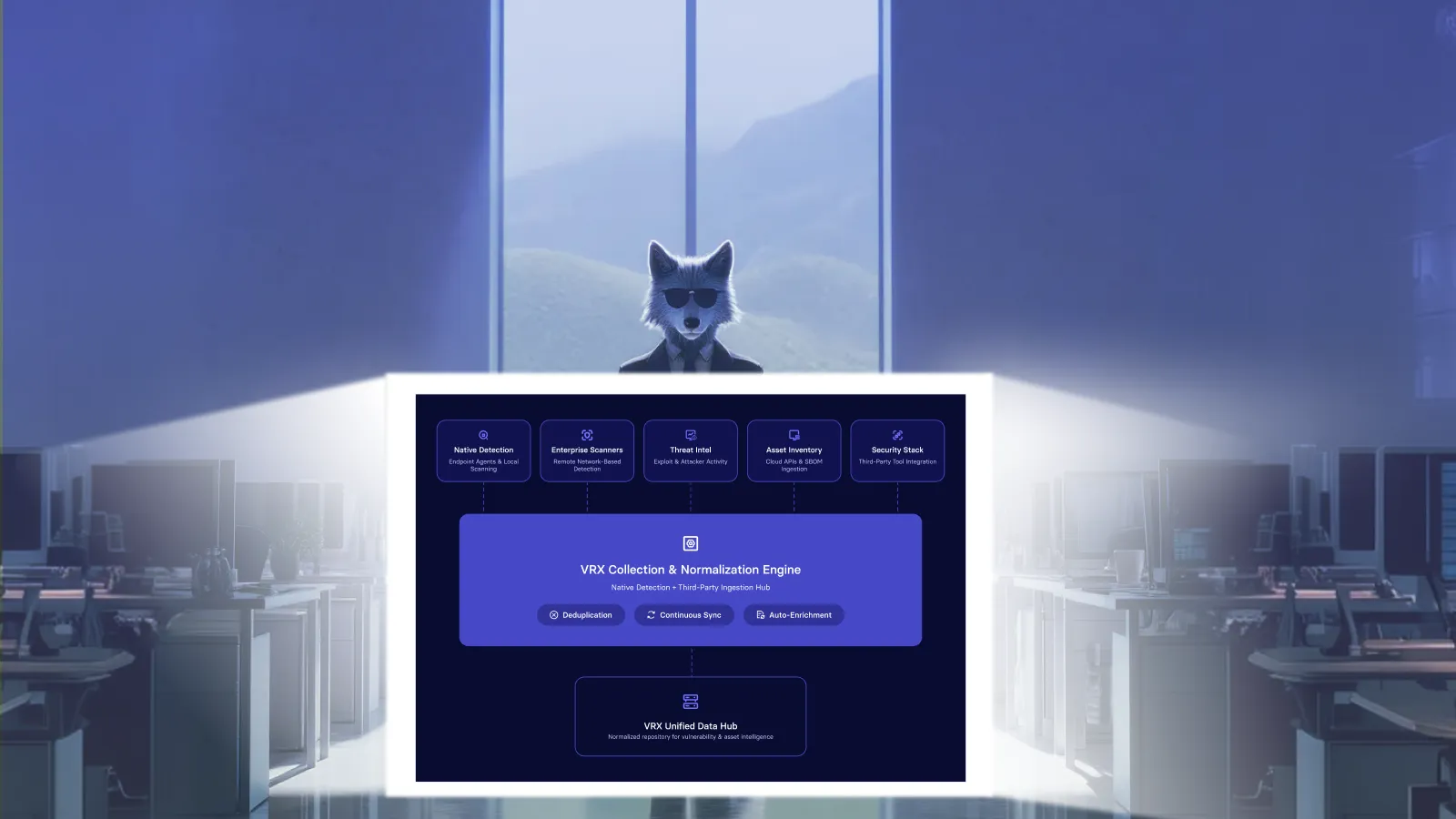
Organizations typically rely on a variety of scanners and security tools to monitor their diverse environments. Recognizing this, a "Better Together"-style initiative is essential to enable seamless integration with existing systems, allowing customers to remediate vulnerabilities regardless of where they were detected. This approach rejects the idea of a closed ecosystem in favor of broad collaboration, where the remediation engine acts as a force multiplier for the tools that teams are using already.
This strategy positions the remediation function not as a generic vulnerability management provider, but as a specialized capability focused on action. By expanding integrations to plug into any detection or scanning tool, organizations can ensure that their remediation workflows are data- and platform-agnostic, and universally effective. The philosophy is simple: if there is a vulnerability to fix, the remediation platform should be able to help fix it.
Building resilience through vRx automation
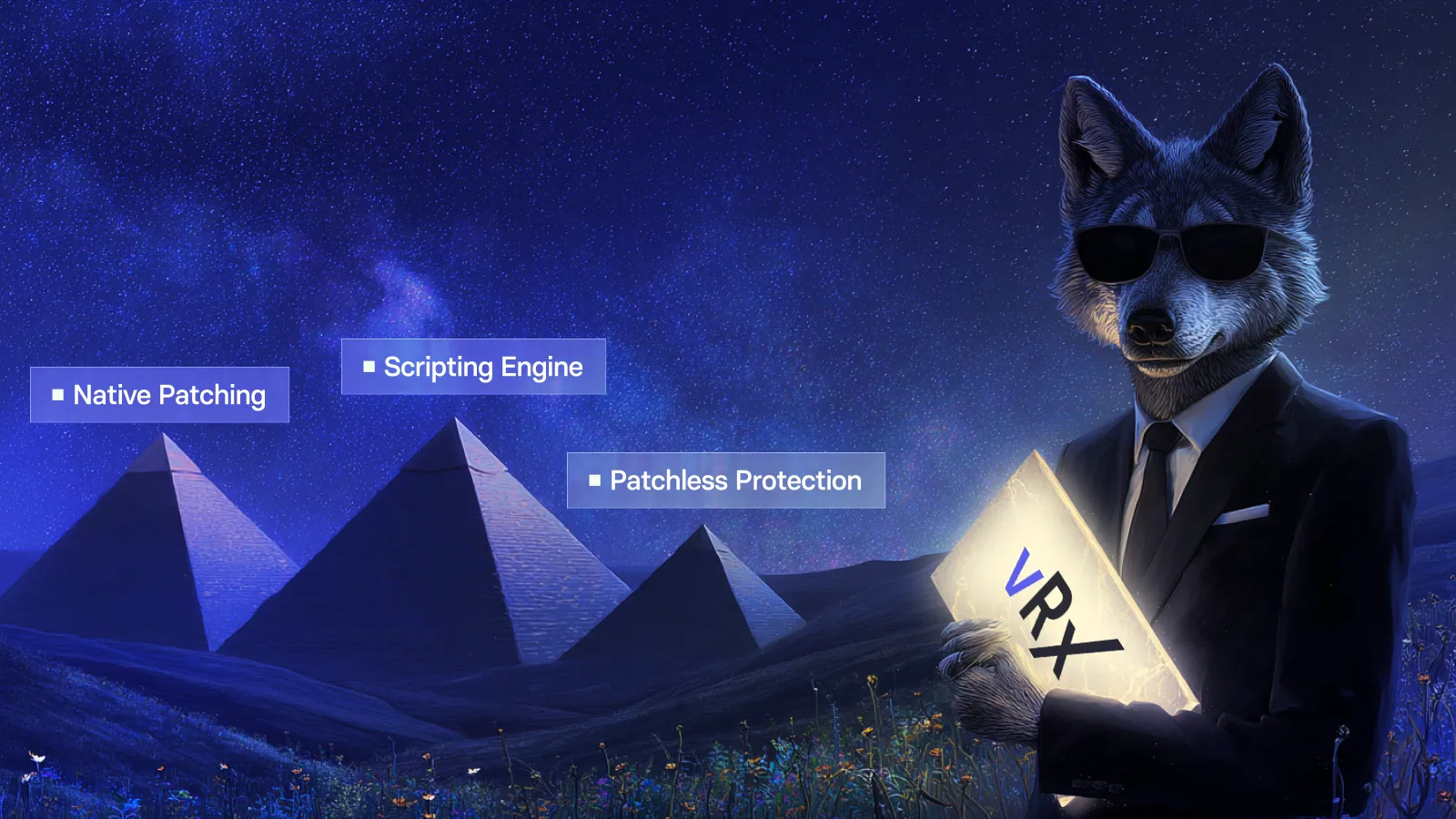
To effectively counter the speed of modern exploits, vRx utilizes proprietary technology designed specifically to streamline and automate vulnerability remediation. For over eight years, the platform has been developed with a focus on this singular challenge, continuing to build automation-first tech that allows teams to scale their efforts without scaling their headcount.
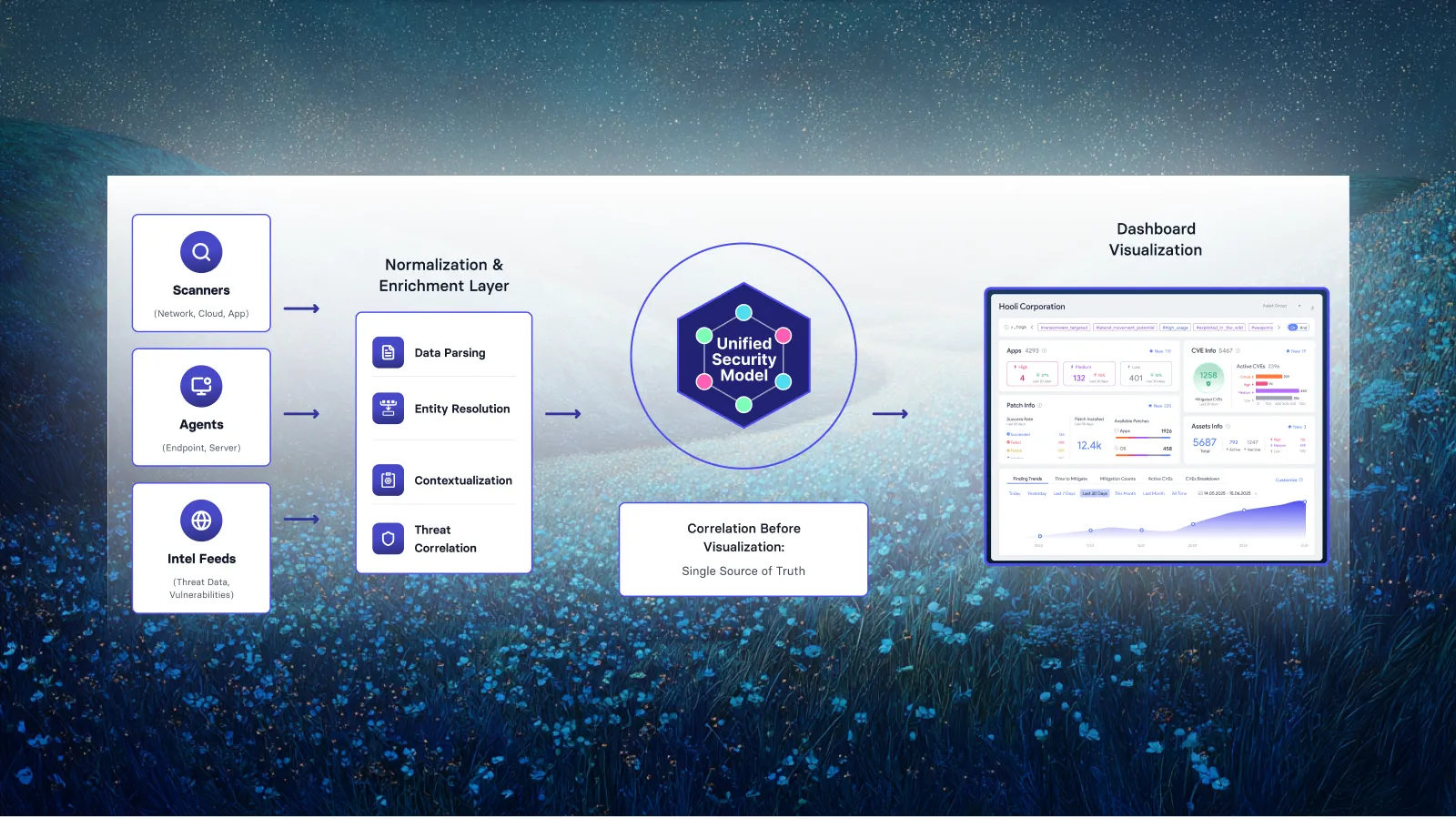
This specialization is crucial because generic tools often lack the depth required to handle the nuances of patching across complex, heterogeneous networks. vRx serves as the bridge between detection and resolution, ensuring that the insights gained from scanners translate directly into improved security posture.
It is solutions-focused by design, empowering teams to:
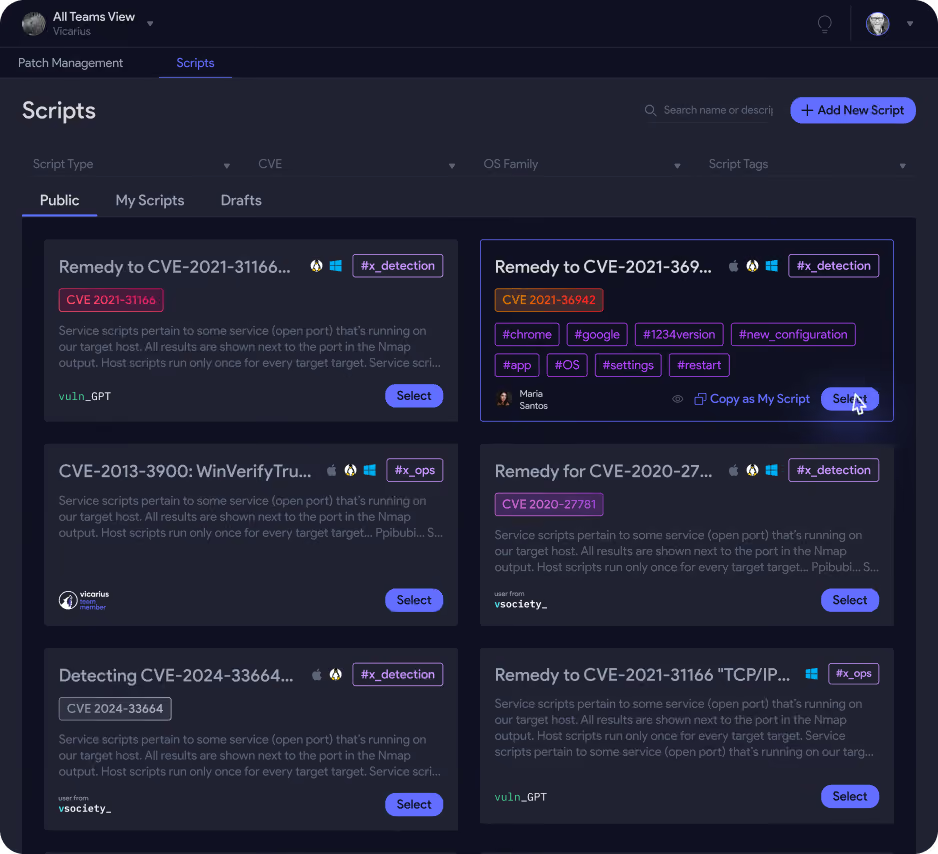
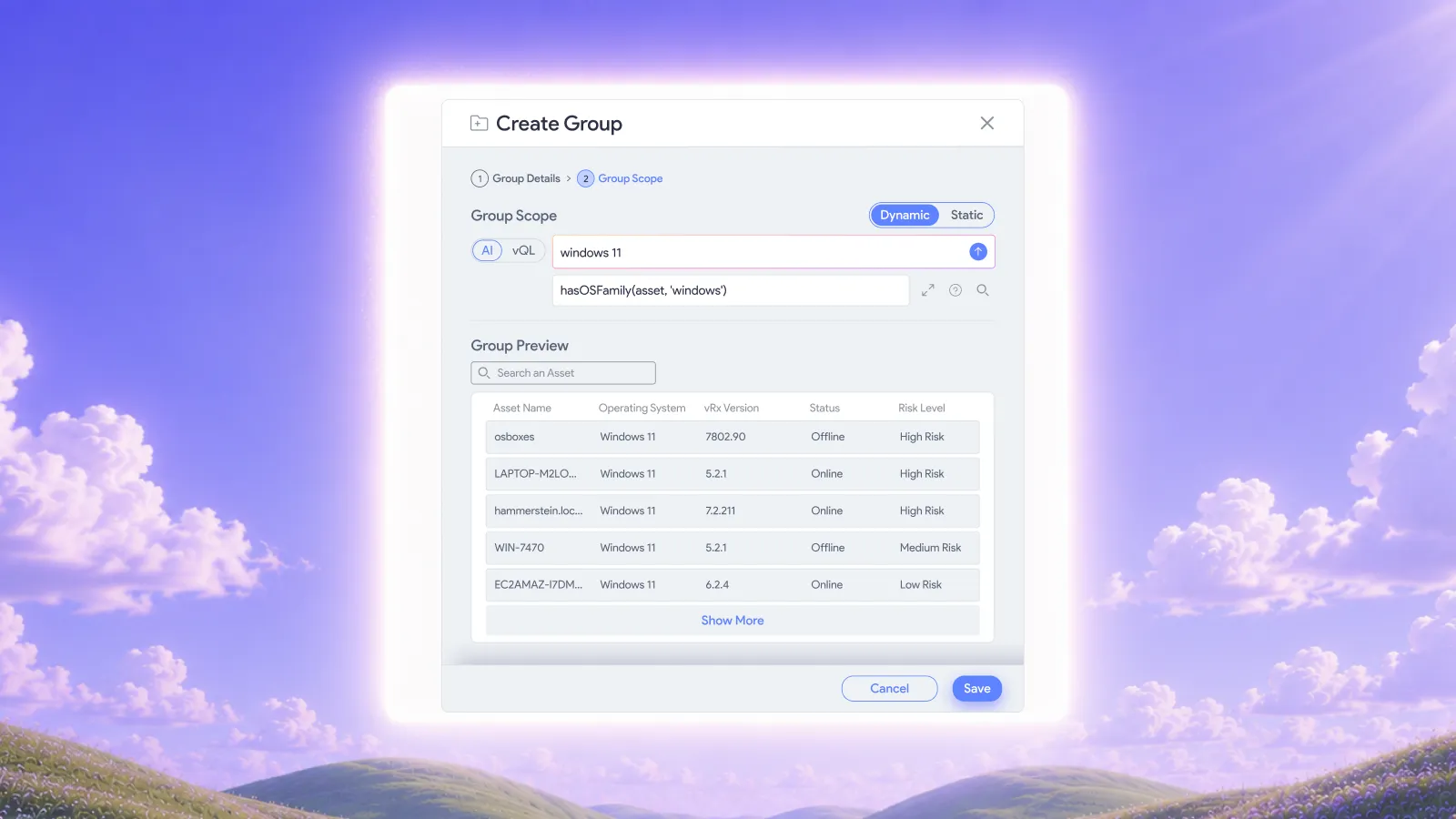
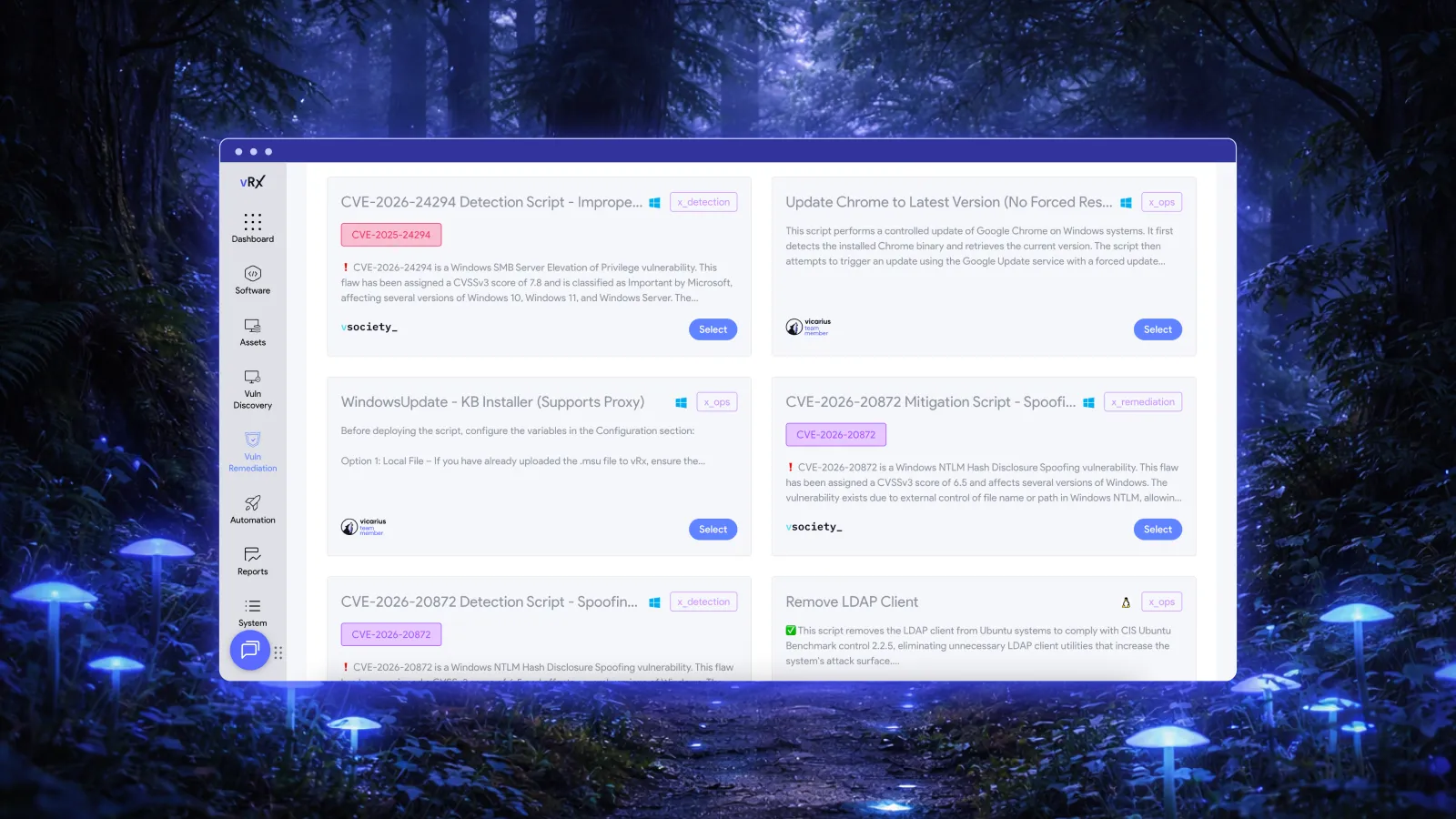
- Automate workflows: vRx allows for the creation of automated remediation paths that trigger based on specific vulnerability criteria, reducing manual intervention.
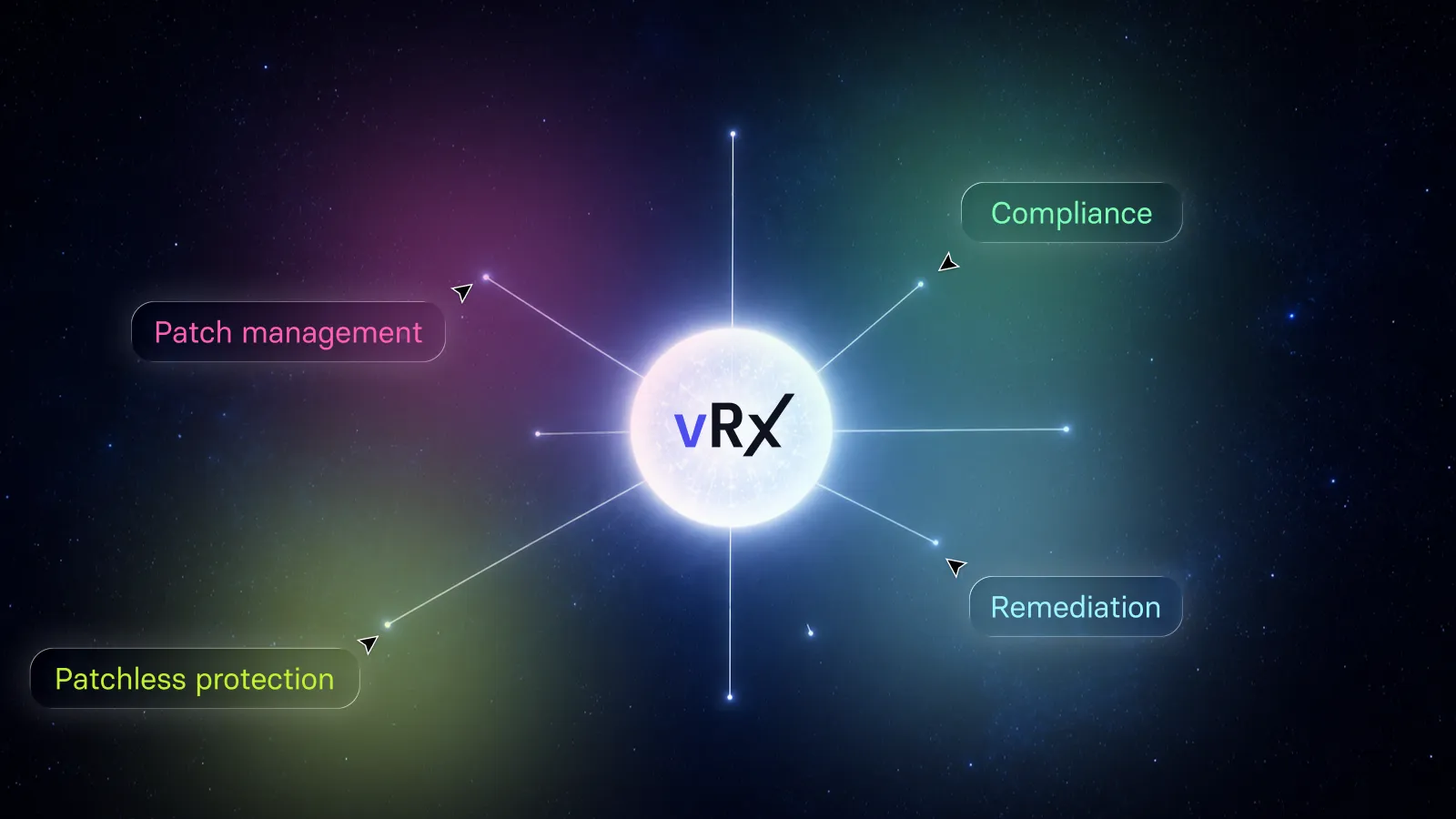
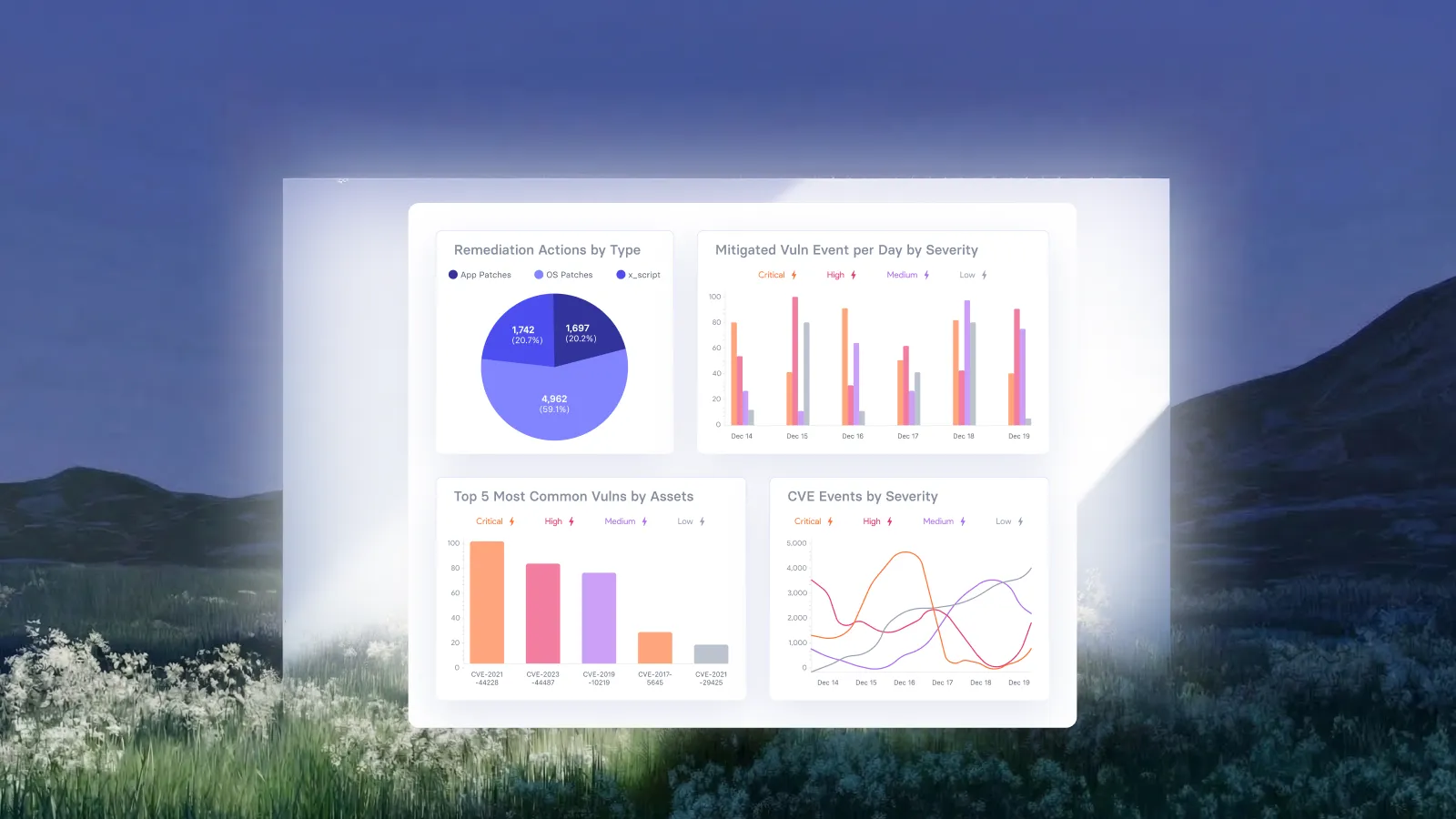
- Consolidate action: The platform centralizes the remediation process, helping teams fix what matters fast, regardless of the detection source.
- Enhance stability: vRx supports the operational need for validated remediation, ensuring that automation does not come at the cost of system uptime.
The new law of the jungle: Fix what matters, fast
The cybersecurity landscape has shifted from a battle of awareness to a battle of logistics and speed. As the vulnerability management field expands, the imperative for organizations is to evolve as well; adopting a focused mission to own and accelerate the remediation of exposures. Security is no longer defined by how well you know your weaknesses, but the alacrity and efficacy with which you put your detractions to mending (to misquote the Bard). To secure your infrastructure against the next wave of zero-days, it is time to close the gap between detection and action. Book a demo to discover how vRx can help your team automate remediation and reduce risk today.
























.webp)















%20Signals%20a%20New%20Era%20of%20Supply%20Chain%20Risk.webp)







.webp)